Shipping Nationwide


Shipping Nationwide
Overview
- The article outlines essential steps for installing sheet piles for construction. It emphasizes the importance of following proper preparations and safety measures for the security of the laborers and the worksite.
- It covers key tasks such as assessing soil conditions and using correct methods to drive the piles. Proper installation ensures stability and reduces operational risks.
- It highlights the importance of proper support for the protection of both the working grounds and the workers.
- With expert guidance and top-grade solutions, Linton Incorporated helps contractors achieve reliable and secure results in their sheet pile installation.
Sheet piles are critical components in construction. They provide essential support for waterfront structures and other earth-retaining structures. That’s why understanding how to install sheet piles in construction projects is crucial for project contractors who need consistent and reliable outcomes.
As a trusted sheet pile supplier in the Philippines, Linton Incorporated provides high-quality products and the technical guidance necessary for efficient installation. Read on to learn the proper steps for applying sheet piles.

Before installation, preparing the site is crucial to ensure accurate pile alignment. This sets the foundation for smooth operations and ensures that the working grounds are ready to handle heavy equipment.
First, assess the site’s soil conditions. Factors such as the water table level and nearby structures directly influence the component’s specifications and installation method. Contractors may commission geotechnical investigations to guide material choice and driving sequences.
For instance, uneven layers or high groundwater pressure may require specialized pile types or added support systems. Addressing them early ensures they perform as intended once in place.
Remove debris and unneeded materials from the worksite. Then, remove excess soil from high areas and use it to fill low areas until the site is flattened.
A clean, level site allows heavy machinery and pile-driving equipment to work efficiently. Debris or uneven ground can interfere with alignment. This increases the risk of misdriven sections.
Proper leveling also facilitates accurate measurement for pile placement. This prevents uneven load distributions, which could weaken their performance. It’s also important to establish appropriate working zones and storage areas before driving begins to maintain organization throughout operations.
Setting up the steel components begins once the site is prepared. Correct procedures are critical to ensure the sheet piles provide reliable support for excavation walls.
Inspect all the sheet piles on-site, especially those that have been transported over long distances or stored outdoors. Damaged interlocks and surface corrosion could weaken the structural integrity of the wall.
Identifying and replacing compromised materials before implementation reduces safety risks during construction. This also prevents contractors from allotting a budget for costly reworks.
At Linton Incorporated, we take proactive steps to ensure every sheet pile that reaches your site meets the highest quality standards.
Before delivery, our team performs thorough inspections that check for surface defects, interlock damage, and any signs of corrosion. We also use secure storage and handling practices to preserve the material’s condition during transit.
The method used to drive the piles depends on two factors: the soil’s conditions and the pile’s length. Choosing the appropriate technique is critical in preventing excessive deflection or incomplete embedment.
Here are different driving methods you can try based on the level of need:
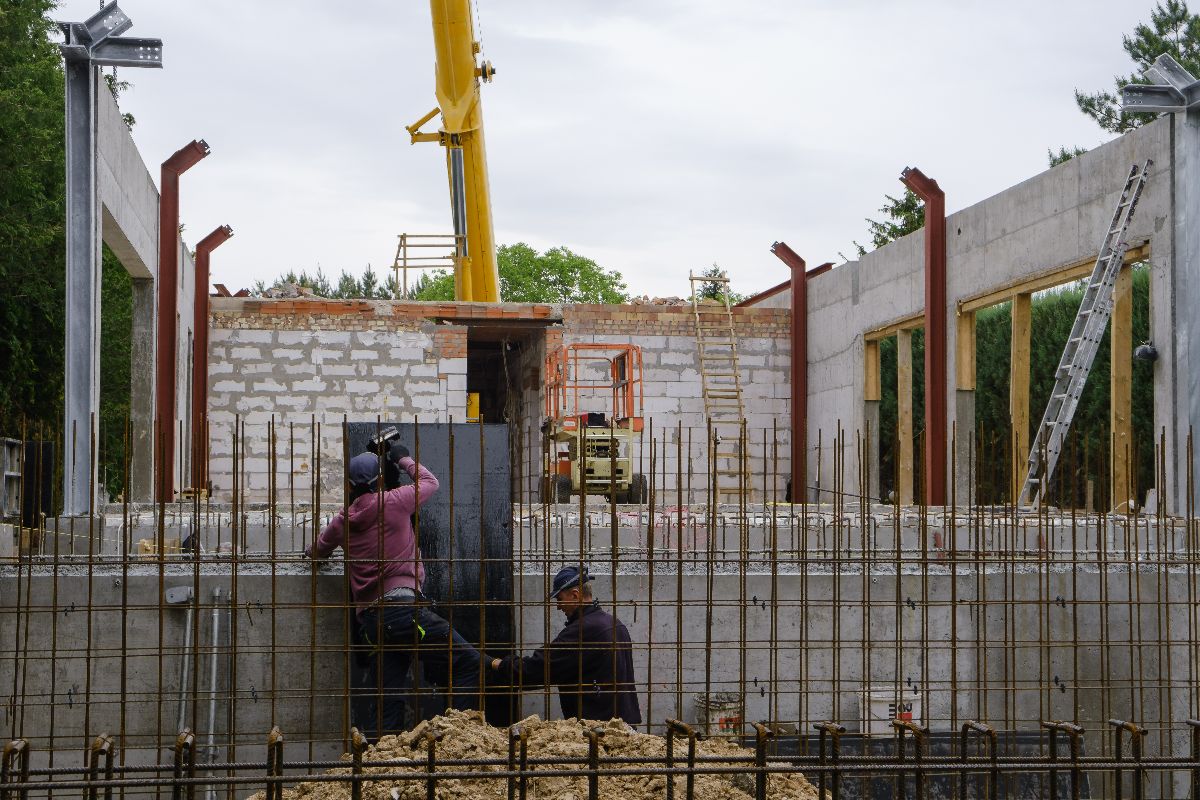
After driving the piles, the final step is to secure the walls. This allows the piles to withstand soil pressure and maintain stability during construction.
For added support, drive deadmen or tiebacks (structural anchoring systems) into the ground behind the retaining wall. Anchors transfer lateral forces from the piles to the surrounding support structures.
Correct placement and tensioning prevent wall displacement and reduce the likelihood of structural failure during excavation.
Project managers must ensure the chosen anchors are compatible with the pile type and driving depth. For better stability, they must monitor their performance and make the necessary adjustments during backfilling and extended excavation operations.
Internal bracing, such as struts or wales, should be installed before significant soil pressure builds up on site. Delays in adding these supportive components can lead to a total collapse. This could endanger not just the equipment, but also the laborers as a result.
Properly placed bracing distributes loads evenly across the wall, preventing stress from concentrating at vulnerable points. Project heads can assign regular inspections during operations to ensure they remain effective and properly aligned.
Using sheet piles requires strict adherence to safety, proper equipment, and regulatory standards. Contractors must ensure that every phase, from handling to driving, is guided by the right tools and protocols to keep both the site and workforce secure.
Below are the key factors you need to consider for safe installation:
Project heads who know how to install sheet piles in construction projects can better guide their workforce towards building safe and reliable excavation walls. Following the right procedures ensures that the project’s foundations stay secure.
Linton Incorporated provides the supporting systems you need to maintain resilient working grounds. Contact us today to learn more about our top-grade products.
Check out our range now and discover the sturdy foundation your creations deserve.
View Products
Why do premium iron sheets matter in…
Overview Selecting superior galvanized iron requires understanding…

What are the ways steel importers ensure…
What are the key tips on choosing…
Tailor your project's success with a personalized quote for your steel requirements. Precision in every detail, commitment to your vision.
Request a Quote