Shipping Nationwide



Shipping Nationwide
Architects and engineers understand that a project’s stability relies not just on its design but on the quality of materials that make it possible. Even the most precise plans can fall short if the chosen components can’t withstand stress.
As professionals who safeguard design integrity, you must understand how each material behaves under pressure. Every specification you choose directly shapes your structure’s strength, resilience, and long-term performance.
In this article, we’ll walk you through how building materials affect project durability. Read on to learn which qualities influence its lifespan and stability.
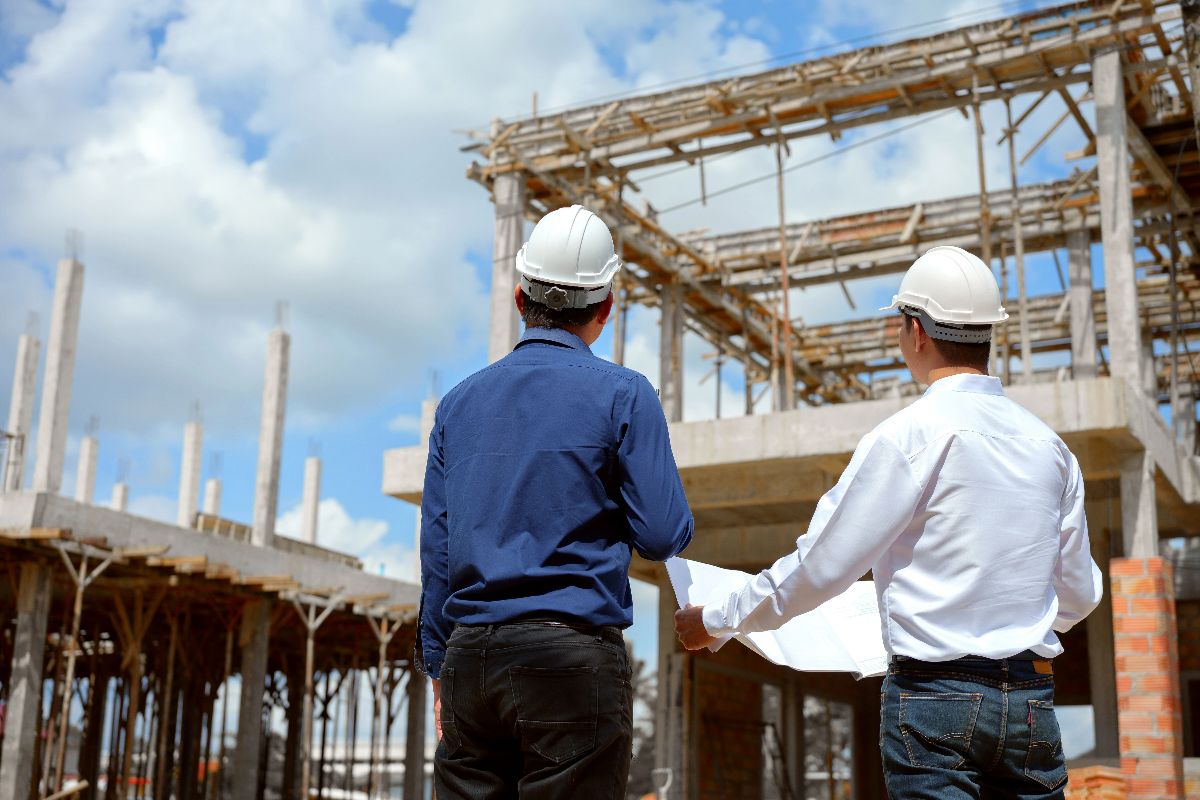
Each component’s specifications determine how well it resists stress, wear, and environmental exposure.
Since material selection defines its durability, understanding its impact ensures you use functionally reliable components that last for the long term.
Durable materials extend a structure’s lifespan by sustaining performance under constant load and stress.
Their density and fatigue resistance help prevent gradual weakening, allowing each component to retain integrity throughout years of use.
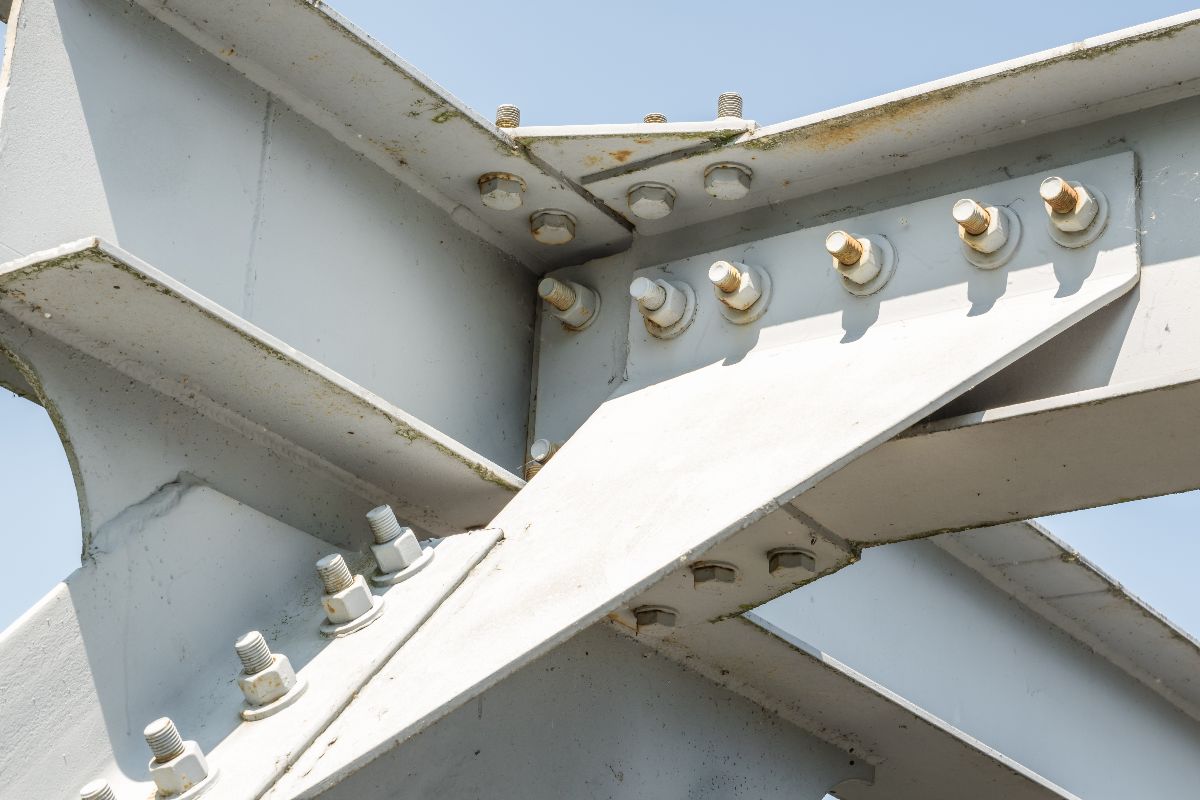
Steel, for instance, is often used in long-span or high-rise applications because of its uniform strength. Its enduring qualities and inherent stability make it ideal for supporting structural designs of all shapes and sizes.
Evaluating these characteristics early in the design phase ensures projects maintain form and function well beyond their intended lifespans.
Using materials with high inherent resistance reduces both the frequency and extent of maintenance needs.
When specified correctly, they maintain their integrity without constant repairs. This allows design professionals to deliver projects that stay cost-efficient throughout their lifecycle.
The reduced need for upkeep stems from the material’s stability. Components made from reinforced materials effectively resist corrosion and other forms of deterioration, even in demanding environmental conditions.
Through dependable structural elements, professionals can preserve the operational and aesthetic intent of their designs.
Options with high tensile and compressive strength ensure that the framework performs predictably under different types of stress.
With the right building elements, accountable teams ensure that the structure has the capacity to carry moderate to extreme loads.
This consistency simplifies structural analysis for engineers and allows architects to pursue ambitious design choices. When materials perform consistently, the structure’s overall stability improves, reducing risks that undermine long-term integrity.
Components made from highly resistant materials give professionals confidence that their design remains structurally sound, even under harsh conditions.
Material compliance is integral to achieving safe designs, which is why it’s crucial to choose components that meet local and international standards.
Architects and engineers must use certified materials to streamline the approval process and strengthen their professional credibility.
The National Building Code of the Philippines sets the standards for material quality, durability, and protective capabilities. Adhering to these requirements ensures that the project’s functional design performs safely as intended.
Meanwhile, noncompliance can lead to significant consequences. Delays may occur during inspections, and in some cases, substandard materials can create serious safety concerns.
Professionals must carefully verify compliance to protect occupants and safeguard the project’s long-term performance.
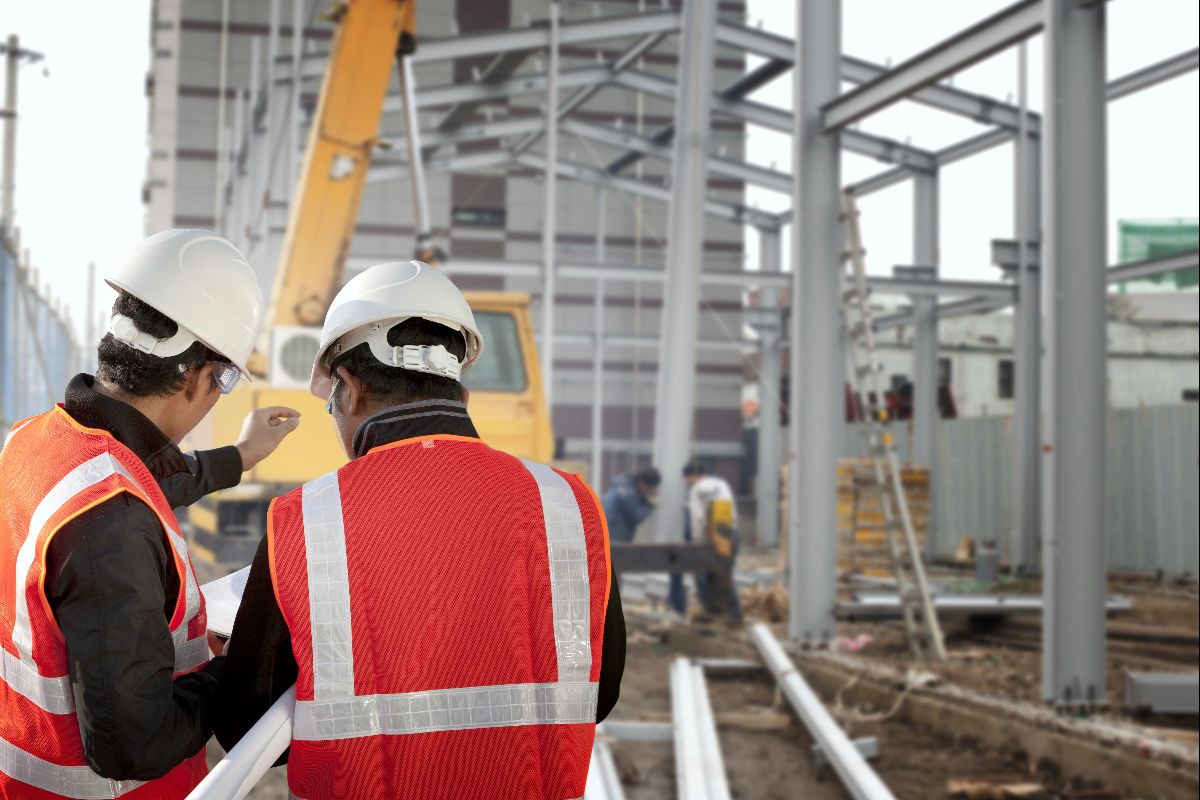
Beyond impact, teams must make informed decisions that align their material choice with design goals and site-specific challenges.
Materials with consistent mechanical properties, such as structural steel, provide reliable performance across various load conditions. Strength defines a material’s ability to withstand heavy machinery or frequent foot traffic.
For engineers, this predictability is critical to ensuring the building performs within calculated limits.
Suppliers like Linton Incorporated provide high-quality steel components that provide the kind of consistency needed for various design frameworks.
Durability is also determined by how components react to the surrounding environment. In humid conditions, corrosion-resistant or properly treated materials sustain performance longer.
This quality ensures that specified materials remain stable despite exposure to rain and sun.
Select materials that work flexibly with different substances. Some react differently to air, water, or chemicals. For example, concrete can deteriorate rapidly through chemical reactions with sulfate or acid.
Choosing materials with protective coatings or corrosion inhibitors allows the overall project to resist degradation more effectively.
The performance of a structure relies on how well materials work together, so consider materials with compatible expansion rates and stress resistance.
This coordination ensures that design intent is maintained from planning up to on-site execution without costly replacements or component wastage.
A deep understanding of how building materials affect project durability allows architects and engineers to balance complex builds with responsible execution.
Each specification influences how well a design withstands exposure and local weather conditions.
If you’re looking for components made from quality materials, Linton Incorporated has the solutions you need for your project. We offer structural elements made from high-quality steel to ensure lasting durability. Contact us today for more information on our products.
Check out our range now and discover the sturdy foundation your creations deserve.
View Products
Learn what to look for in an…
Learn how to choose the right angle…
Learn how angle bars support equipment mounting…
Learn when to use angle bars instead…
Tailor your project's success with a personalized quote for your steel requirements. Precision in every detail, commitment to your vision.
Request a Quote