Shipping Nationwide



Shipping Nationwide
Overview
- Reinforcing deep-digging sites in construction zones matters because their stability determines how well a project maintains its integrity over the long term. Sheet piles help stabilize soil and make excavations safer for everyone on site.
- Without them, projects are at risk of dangerous collapses that affect not just the work site but also the laborers exposed to these risks.
- Sheet piles help protect workers and other vulnerable areas from falling debris, flooding, and erosion. Their durability and design make them an efficient solution for supportive safety measures on-site.
- Linton Incorporated provides expertly manufactured sheet piles built for durability and long-term reliability across different building projects.
Sheet piles form a stable soil barrier that provides integral support for underground structures. Without them, large-scale excavations in projects risk soil collapse, which could endanger the workers, the equipment, and even the site itself.
Understanding why sheet piles are important in construction gives you the means to execute your building plans on a stronger foundation.
At Linton Incorporated, we supply high-quality solutions engineered for lasting reliability in complex builds. Continue reading to discover how these components safely optimize construction outcomes.
Construction piles act as retaining walls that support soil in excavation zones. Their interlocking design distributes pressure evenly across their surface, which minimizes soil movement.
They are utilized in foundation works and trench shoring to secure excavation walls. They help reduce equipment damage and minimize the risks of costly project interruptions.
By maintaining the soil’s position, retention systems reduce the likelihood of structures collapsing on a poor foundation.
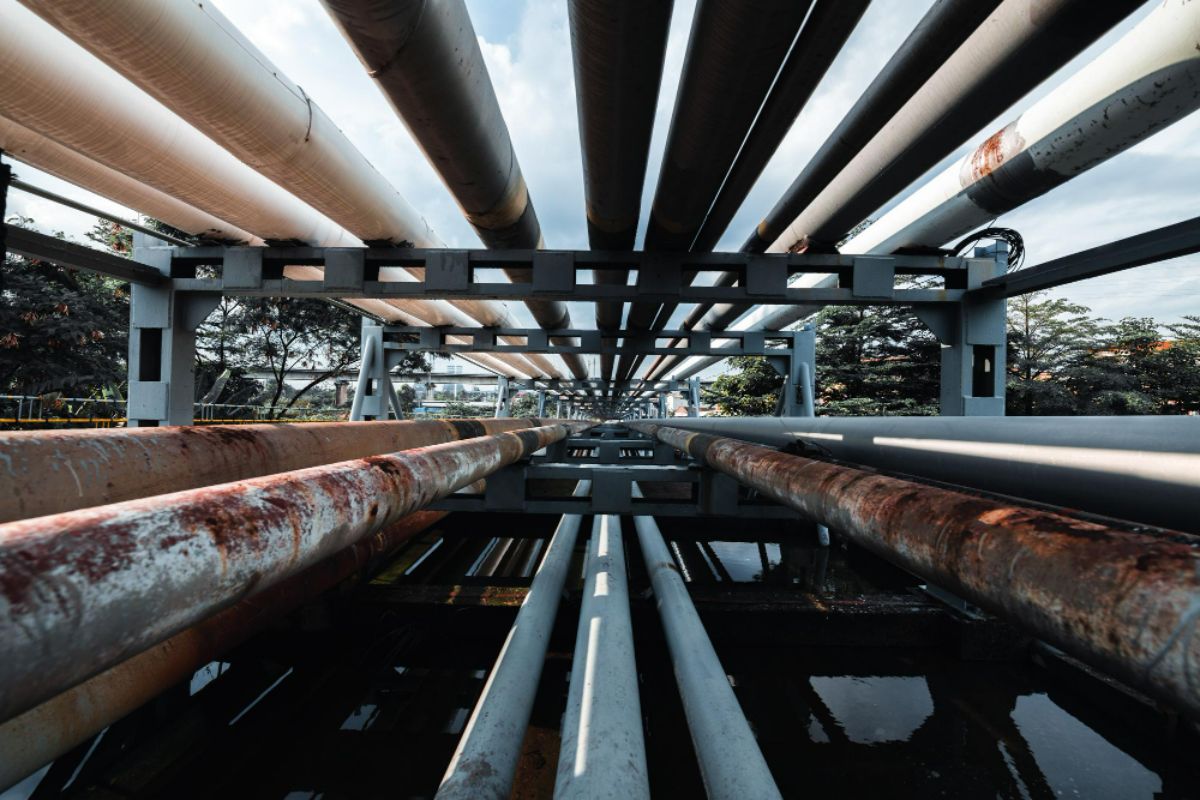
Surface water can accumulate rapidly after prolonged periods of rainfall. In projects near bodies of water, groundwater may enter excavation areas. This may weaken soil structures when left unaddressed.
Waiting for it to stabilize causes costly project delays, and building on these zones could result in unstable frameworks. Fortunately, sheet piles manage water flow by creating watertight barriers. Their structure enables them to minimize liquid seepage, which is crucial for dewatering operations and flood-prone areas.
Our metal sheet piles are built with durability and corrosion-resistance in mind. Designed for repeated exposure to moisture, their qualities reduce the risks of immediate wear caused by water-related setbacks.
Steel construction walls provide the structural support necessary for deeper excavations—e.g., for building basements or underground parking areas—through even load distribution.
They allow builders to dig below existing ground levels safely without compromising surrounding structures.
In urban developments, deep basement construction and multi-level foundations rely on these steel panels to maintain excavation integrity. Their uniform thickness and load-bearing capacity allow them to support extended excavation periods.
This reduces the risks of collapse, allowing engineering teams to fully execute their build’s design plans within a set timeframe.
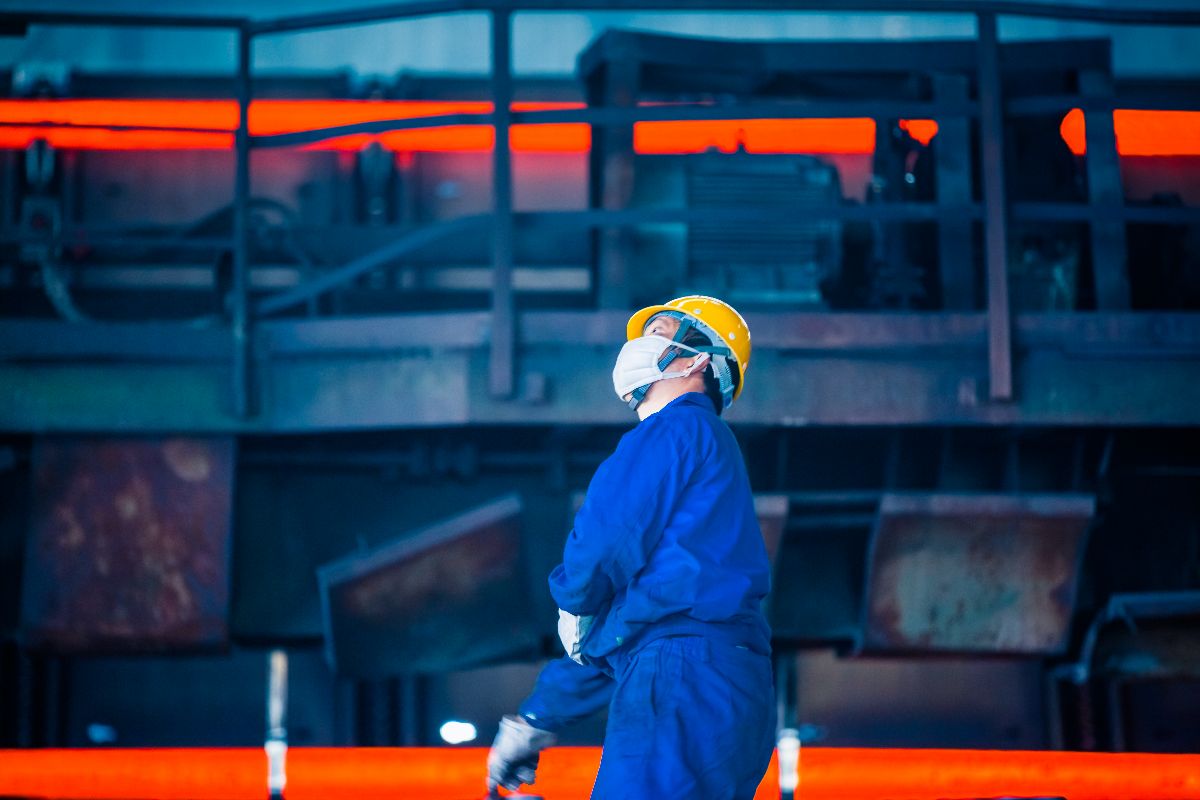
Maintaining safe excavation boundaries is critical to protecting both workers and the surrounding infrastructure on-site. They hold back falling soil and debris to create controlled work zones safe from sudden cave-ins. This is especially important in cities where civilians often walk nearby, or in high-traffic construction environments where laborers are exposed to greater risks.
These barriers also safeguard the adjacent buildings and utilities from damage during deep digging operations.
By providing predictable support to frameworks, these components facilitate safer work conditions for everyone on-site.
No construction site is safe from unpredictable weather conditions. In the Philippines, many districts and building zones often face excessive flooding, which can wash away soil and destabilize foundations. These make support walls vital, since their strong qualities allow them to hold back shifts in ground and water levels.
They are designed to withstand the intense push of rising floodwaters and storm surges, acting as a reliable first line of defense against flooding. They are also used to reinforce existing dikes and levees against landslides and erosion.
They’re commonly used in projects along riverbanks, coastal works, and flood-prone urban zones.
These retaining walls are widely used across various construction scenarios. Whether temporary or for long-term use, they reinforce excavation sites and protect sensitive infrastructures from collapsing under soil movement or water intrusion.
Knowing their common applications will give you insight into how you can implement them into your project’s design. Ground support systems are commonly used to reinforce the following:
Now that you know why sheet piles are important in construction, you’re better positioned to integrate them effectively into your project plans. They play a vital role in stabilizing foundations while protecting both the structure and workforce on-site.
Linton Incorporated provides steel earth-retaining solutions built to provide reliable protection for demanding excavation conditions. Our solutions are engineered for resilience and lasting performance. Contact us today to learn how our products can support your next development.
Check out our range now and discover the sturdy foundation your creations deserve.
View Products
How to choose structural steel sections for…
Overview Different materials, such as structural steel,…
Overview GI sheets offer versatile interior design…
What are the types of property designs…
Tailor your project's success with a personalized quote for your steel requirements. Precision in every detail, commitment to your vision.
Request a Quote