Shipping Nationwide


Shipping Nationwide
- Large-scale GI sheet projects leverage economies of scale for reduced per-unit costs through bulk procurement, minimizing logistics fees and enhancing budget predictability.
- Rising complexity demands strategic planning to counter risks like material waste, delivery delays, and market price swings via detailed WBS and contingency reserves.
- Partner with Linton Incorporated for reliable, high-quality GI sheets and expert support tailored to Philippine contractors.
As the scale of a project increases, material volume requirements grow, too. This influences pricing models, GI sheet supplier’s negotiations, and overall budget allocation. For contractors, understanding this relationship is crucial to creating realistic expense projections and avoiding financial gaps during execution.
By aligning project scale with an adequate buying strategy, contractors can enhance the budgets while maintaining quality and timeline efficiency.
In this article, we explore how project size affects GI sheet budget planning, ensuring you allocate the right budget in every step of the way.
When a project calls for a huge volume of GI sheets, suppliers can offer lower per-unit prices because production, management, and administrative fees are spread across more products. This allows contractors to minimize the total costs while maintaining consistent quality throughout the project.
Understanding how economies of scale work helps contractors plan procurement more effectively. Instead of ordering GI sheets in small batches, consolidating purchases into bigger orders can unlock better pricing and more favorable agreements.
Therein, contractors can benefit from wholesale pricing, lessen repeated delivery payments, and keep the finance more controlled and predictable.
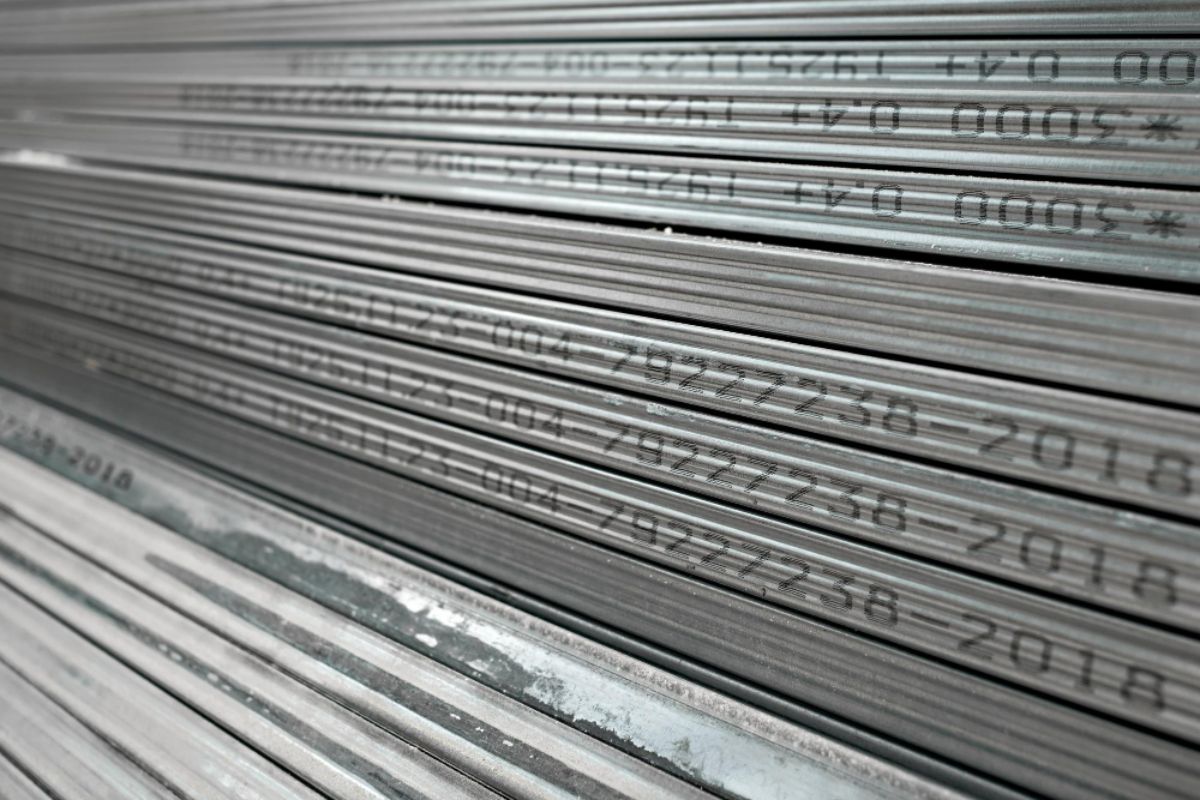
Larger programs involve numerous stages, tighter schedules, and higher material volumes, which makes budget planning more challenging. Without proper coordination, even small miscalculations in quantity, timing, or specifications may result in cost overruns and delays.
This intricacy needs contractors to take a more strategic approach to GI sheet budgeting. Factors such as storage restrictions, delivery sequencing, and possible layout changes should be considered early in the planning phase.
The project complexity includes the following factors:
Logistics and Handling: Poorly planned deliveries and storage for large-scale activities can lead to material damage and extra fees.
Waste and Rework: Inaccurate estimates or late design shifts can cause material wastage and rework, resulting in budget overruns.
Shifts in steel prices, fuel costs, and supply-demand conditions can cause material prices to rise unexpectedly. These changes may disrupt meticulously planned budgets and require project professionals to adjust procurement strategies to avoid overspending.
By monitoring market trends, negotiating fixed-price terms, and scheduling purchases when prices are favorable, they can reduce the risk of cost increases and maintain greater control over the finances.
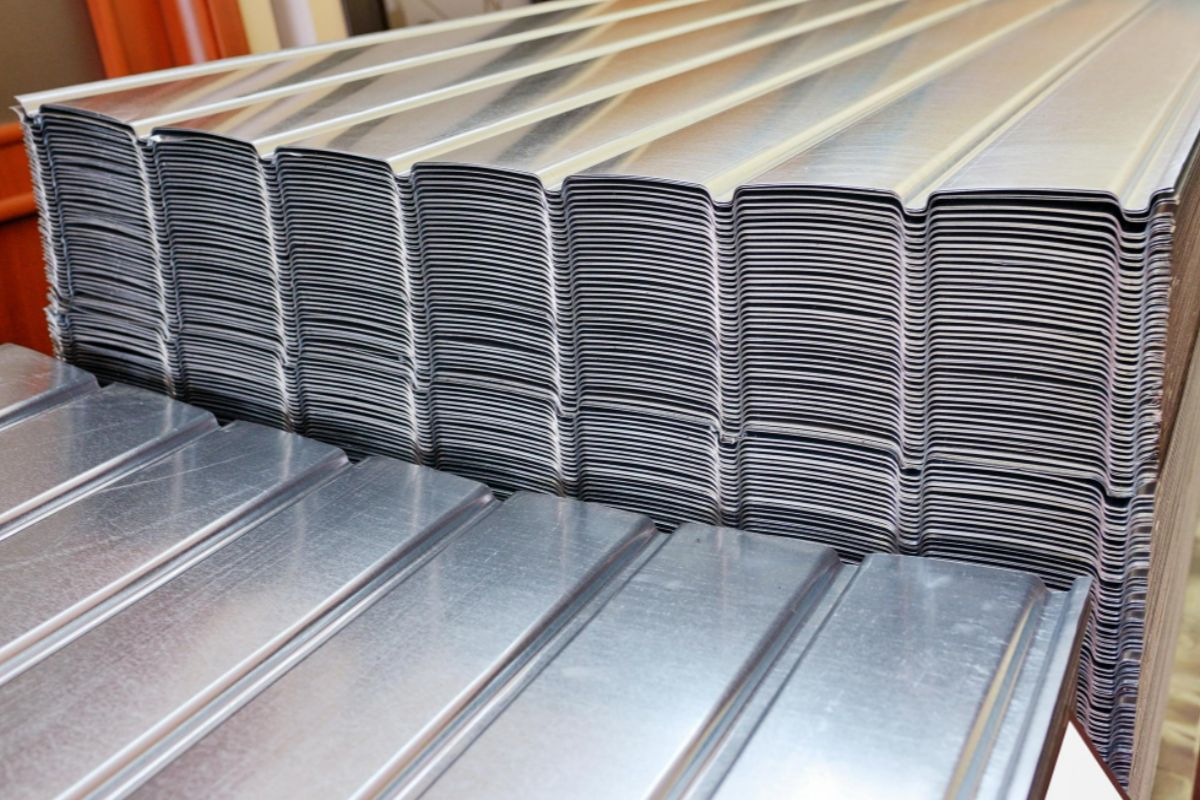
This approach is more than just the basic cost estimation. It must incorporate comprehensive item lists, quantity calculations, phased procurement schedules, and detailed cost breakdowns that consider labor, logistics, and contingency schemes.
By adopting a well-structured methodology, contractors can anticipate possible budget risks and decide better for optimized material usage and procurement timing. A formalized planning process also allows for flexibility, enabling adjustments in response to market fluctuations, design changes, or unforeseen project challenges.
Work Breakdown Structure (WBS): It’s a project management tool that divides a project into smaller, manageable components or tasks. For GI sheet budgeting, it helps determine exactly where and how much material is necessary at every phase of the project.
Contingency Reserves: Funds that are set aside to cover unexpected costs that may arise during a project, such as design changes, material shortages, or unforeseen site conditions. They act as a financial buffer, helping contractors manage risks without disrupting the overall budget.
For GI sheet financing, this means calculating the exact quantity of sheets needed, scheduling deliveries to match construction phases, and tracking usage to prevent shortages or over-ordering.
By handling resources precisely, contractors can reduce waste, avoid unnecessary expenses, and ensure that materials are available when and where they are required. This level of control not only helps keep the project on budget but also enhances the entire workflow efficiency.
When it comes to large-scale projects, having a trusted distributor can make all the difference in budgeting, procurement, and overall project efficiency. Linton Incorporated, a structural steel supplier in the Philippines, provides top-quality GI sheets, specialized guidance, and flexible solutions according to the needs of contractors in the Philippines.
By associating with us, you gain access to durable products, dependable delivery timelines, and knowledgeable assistance to enhance your project expenditures. Ensure your construction programs run smoothly and stay within budget—trust Linton Incorporated in every step of the way!
Understanding how project size affects GI sheet budget planning is crucial for contractors aiming to manage costs effectively and avoid unexpected expenses. Larger projects require careful consideration of material volumes, procurement strategies, logistics, and contingency planning to ensure accuracy and efficiency throughout the construction process.
For efficient GI sheet solutions, trust Linton Incorporated, a leading supplier in the Philippines. With high-quality materials and tailored services for projects of all scales, we help project contractors stay on budget and achieve project success.
Reach out to us today to learn how we can provide the right GI sheets and support for your next construction project.
Check out our range now and discover the sturdy foundation your creations deserve.
View Products
Overview GI sheets offer versatile interior design…

What are the types of property designs…
Overview Galvanized Iron (GI) sheets are widely…

Overview Philippine property owners favor GI sheets…
Tailor your project's success with a personalized quote for your steel requirements. Precision in every detail, commitment to your vision.
Request a Quote