Shipping Nationwide



Shipping Nationwide
Overview
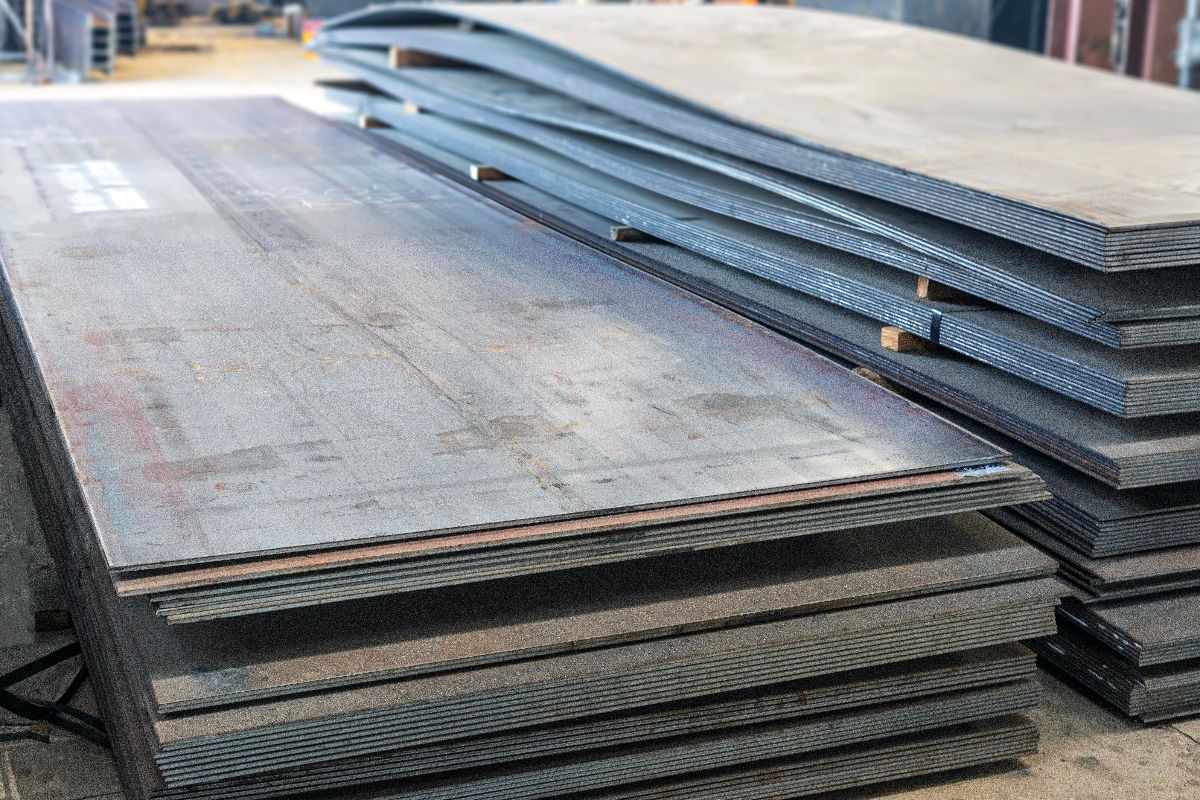
- Black iron sheets continue to be a widely used component across industries because of their adaptability and performance in harsh environments.
- They are commonly applied in construction and manufacturing, serving as dependable materials that help projects meet both practical and safety requirements.
- Linton Incorporated ensures that every sheet supplied meets precise standards, offering clients the confidence to move forward with their developments.
When it comes to material strength, black iron (BI) sheets are valued for their reliability in demanding applications. Their durability and flexibility make them a staple across a wide range of industrial projects.
Yet, while many contractors recognize their inherent advantages, they may not always be familiar with the specific ways they’re applied.
Understanding the common functional applications of BI sheets helps you to choose materials that meet your project’s requirements.
At Linton Incorporated, we provide high-quality solutions tailored to meet the diverse needs of various industries. Read on to learn the areas where they deliver exceptional results.
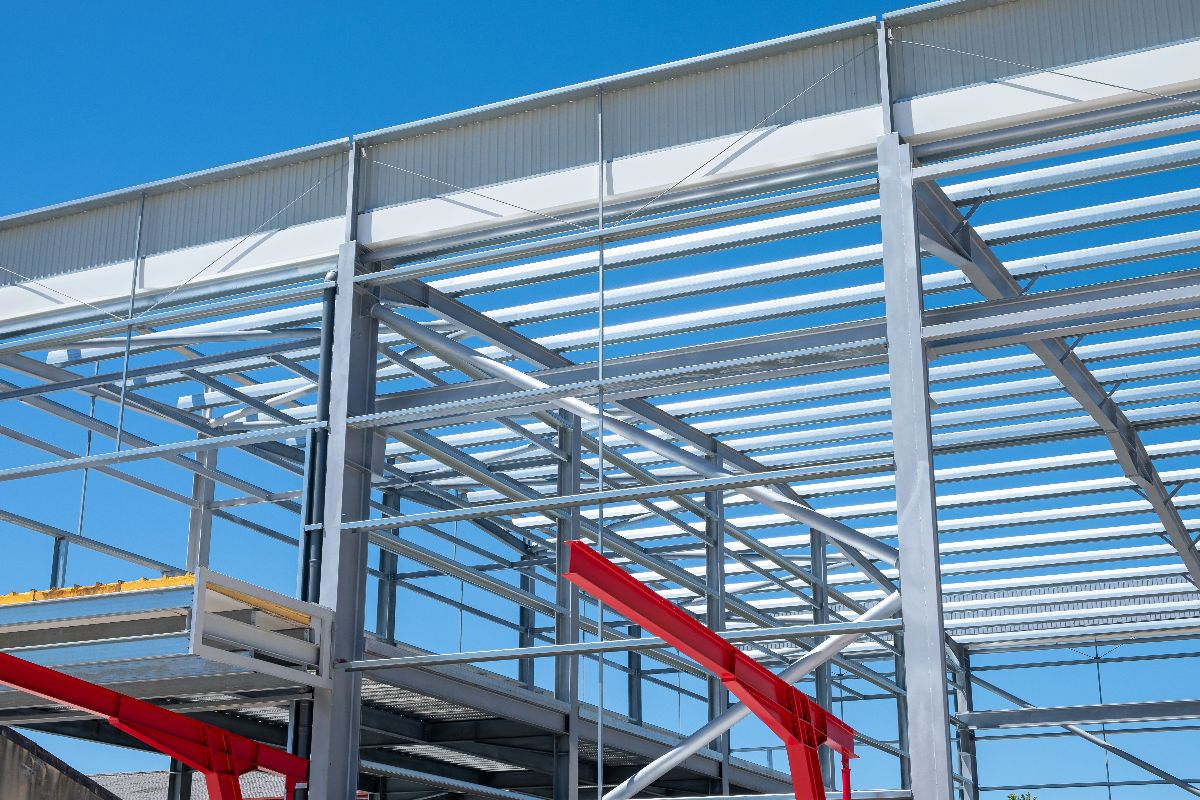
These components are produced through a rolling process, where mild steel is pressed into uniform sheets. Through this method, they gain consistent strength and malleability. This allows them to be shaped without losing their integrity. These qualities allow them to be cut and welded to form stable frameworks across residential and commercial builds.
BI sheets are particularly effective in projects that require precise alignment. They act as supportive panels in roofing systems to ensure loads are evenly distributed across long spans.
This combination of strength and adaptability makes them a trusted foundation for critical structural frameworks.
Iron sheet metals are often shaped into casings and enclosures for ventilation ducts and pipework.
For instance, they are utilized in HVAC systems as duct panels that can withstand pressure changes and temperature shifts. Their strength and malleability make them especially effective in environments where other materials are quick to deteriorate.
In many projects, exposed utilities are vulnerable to corrosion. These issues result in leaks that compromise the system’s overall efficiency.
BI sheets act as a sturdy shield against these risks, extending the lifespan of piping and ductworks and ensuring their reliability for long-term use.
Manufacturing environments operate with a wide range of heavy-duty equipment every day. Machine parts must withstand constant vibrations, while casings are designed to resist impact. Without durable materials, production assets become prone to premature wear.
BI sheets are commonly applied in two ways: the fabrication of new equipment and the maintenance of existing machinery.
In conveyor systems, they are formed into reinforcement plates. These shield rollers and moving belts protect them from damage.
They are also welded into housings and brackets to secure high-stress sections during heavy production cycles.
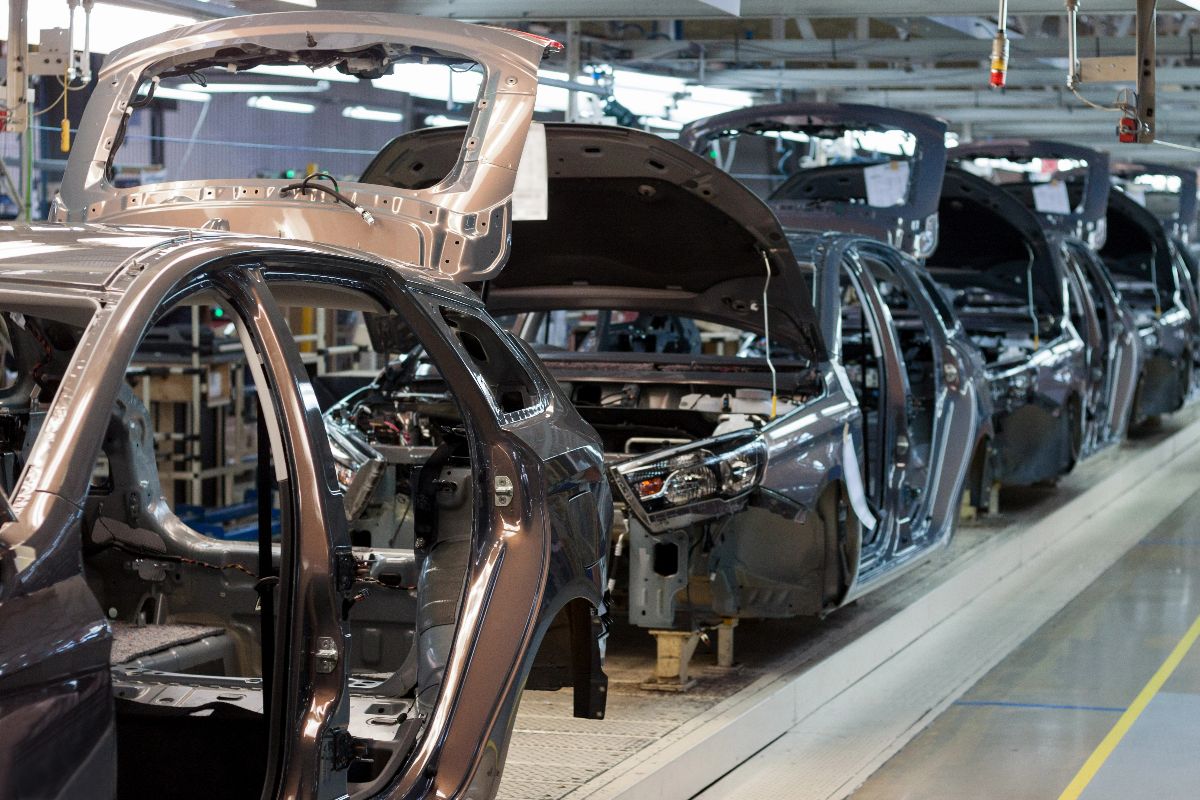
It may come as a surprise to some, but BI sheets are pivotal in automotive manufacturing. They are pressed into body panels, flooring systems, and chassis reinforcements that carry the load of daily drives.
Smaller parts like protective covers are also fabricated from these sheets, giving vehicles the structural backing they need across different assemblies.
What makes them effective in this industry is their ease of fabrication. They can be mass-produced into precise forms, keeping production efficient and cost-manageable.
At the same time, their durability under constant motion ensures vehicles maintain a safe performance for long-term use.
When it comes to fencing, the first thing that comes to mind is chain link or wooden boards. However, BI sheets serve as an excellent alternative, especially for high-security environments.
They are fabricated into flat panels for perimeter fencing, assembled into gates, or cut to size for temporary enclosures. These allow sites, like warehouses and construction zones, to maintain security with ease.
Unlike wood, which is prone to swelling and decay, metal sheets hold up well in outdoor conditions. They also provide better privacy compared to chain links due to their solid surface. This makes them ideal for projects where restricted access is crucial.
Metal sheet components are frequently used in the fabrication of storage tanks and containers for hazardous materials. Their build quality enables tanks to carry significant weight without buckling or leaking.
They can be welded or bolted into place to create secure enclosures suitable for holding chemicals or dry materials. Compared to standard alternatives, black iron provides superior resistance against mechanical stress and wear.
Linton Incorporated supplies BI sheets in a range of sizes and thicknesses to ensure your containment systems meet the demands of your operations. All materials are produced in compliance with local government standards.
To make the most of your components, it helps to know the common functional applications of BI sheets. Recognizing where they perform best allows you to use them for the right purpose and secure lasting results for your projects.
Linton Incorporated supplied high-quality BI sheets tailored to these applications, each manufactured with precise specifications for various demands. Reach out to us today to learn more about how our products can support your upcoming. developments.
Check out our range now and discover the sturdy foundation your creations deserve.
View Products
Discover why steel beams are critical to…
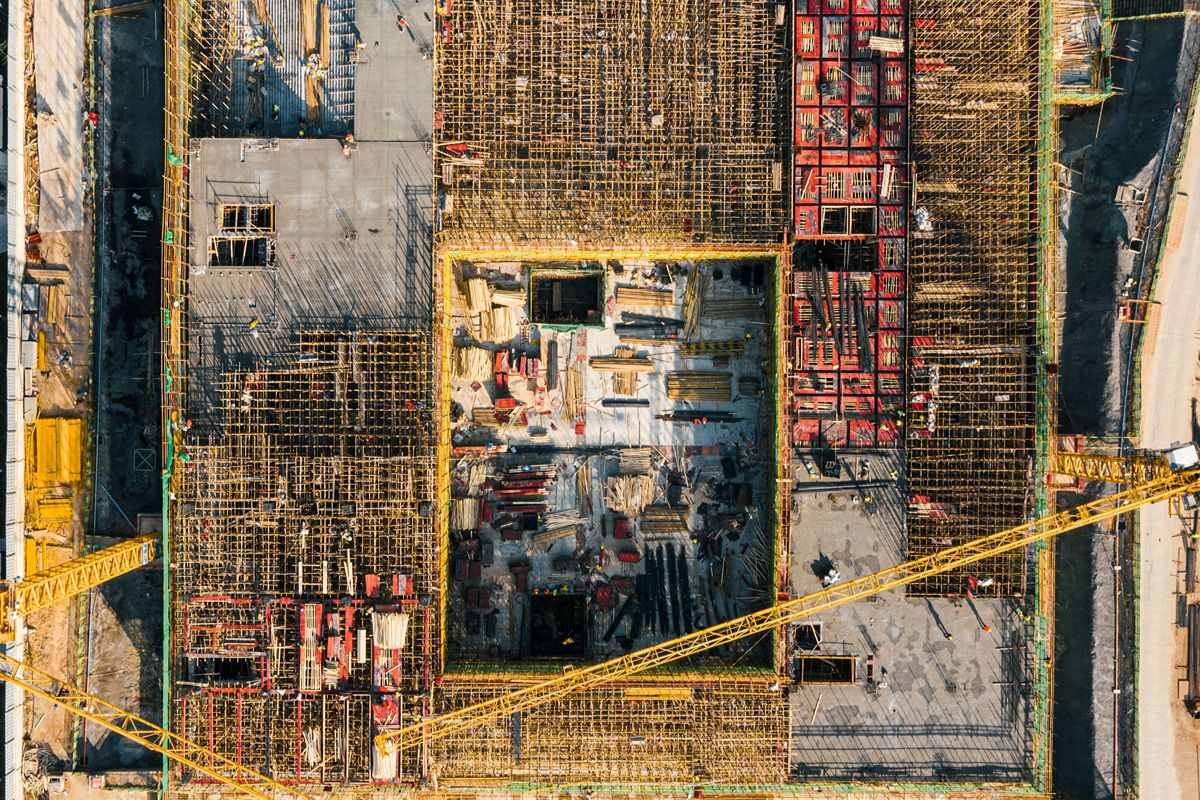
Learn how major infrastructure projects depend on…
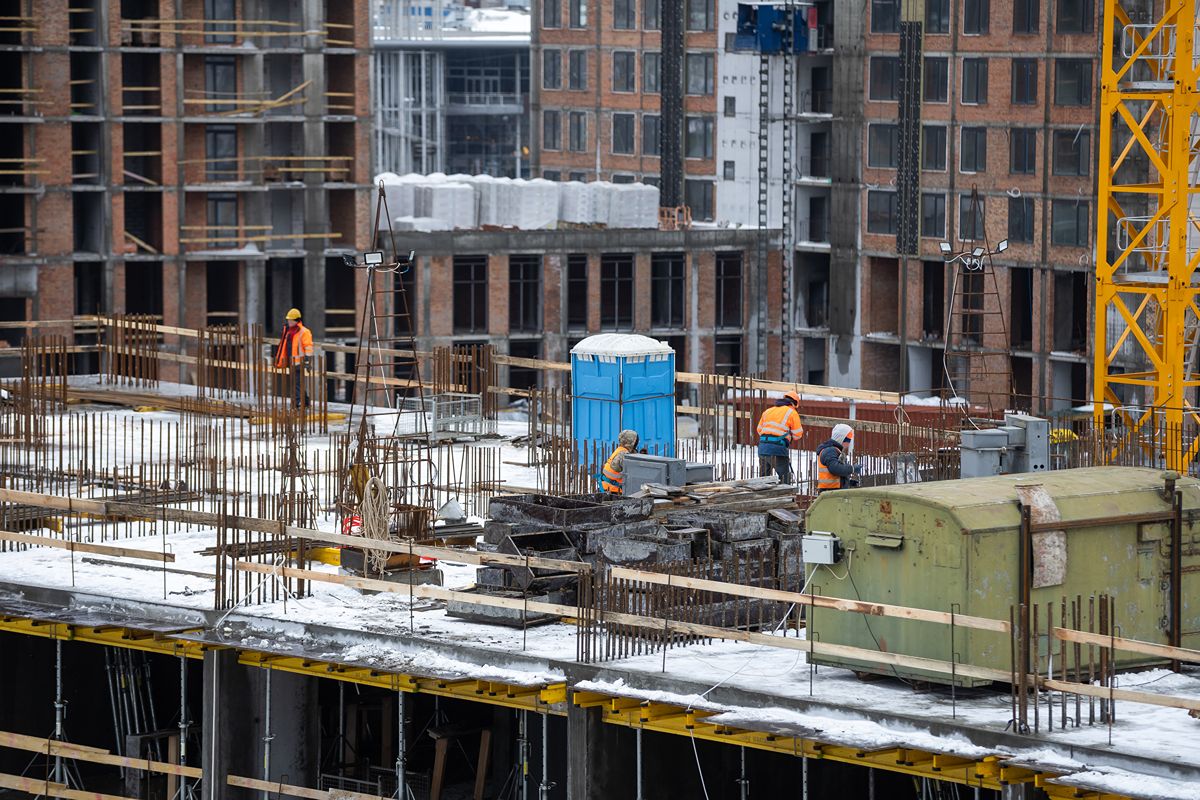
Compare hot-rolled vs. cold-rolled steel to choose…
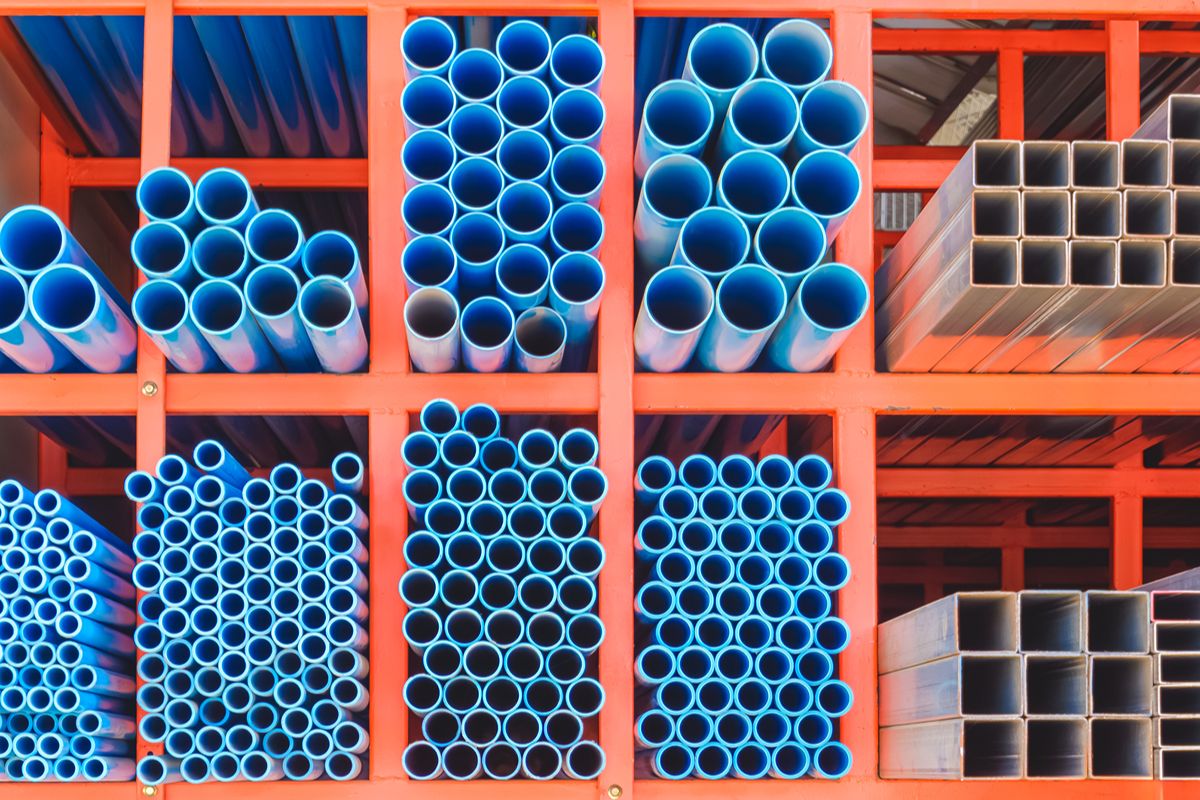
Learn the reasons why technical support matters…
Tailor your project's success with a personalized quote for your steel requirements. Precision in every detail, commitment to your vision.
Request a Quote