Shipping Nationwide


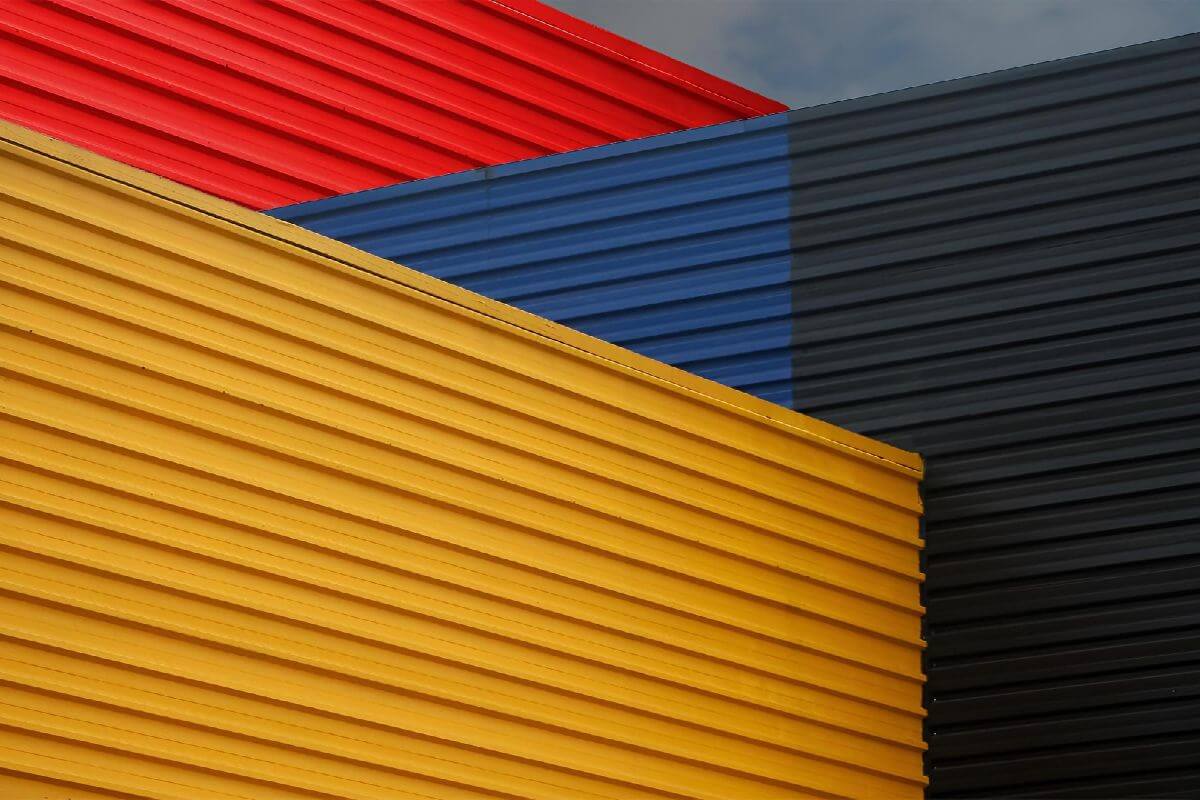

Shipping Nationwide
Overview
- Galvanized Iron (GI) sheets are widely recognized for strength, affordability, and corrosion resistance, but their role in design is evolving.
- Architects are now reexamining this material not just as a structural solution, but as a visual element.
- At Linton Incorporated, GI sheets are engineered to support both architectural intent and long-term performance.
Galvanized Iron (GI) sheets are often seen as purely functional materials for roofing and cladding, prized for durability and affordability. Yet, architects and designers are increasingly exploring their aesthetic potential, asking: can GI sheets be used for architectural appeal?
This curiosity reflects a growing trend of blending practicality with style. With the right treatment, finishes, and installation techniques, you can turn ordinary surfaces into striking design features.
So, put it simply, the answer is yes. Their versatility allows creativity without compromising structural integrity. In this article, we’ll explore more on how this material can be leveraged to enhance architectural appeal while maintaining their long-standing performance benefits.
GI Sheets are commonly used in construction as roofing and wall cladding. Their zinc coating provides superior corrosion resistance for indoor and outdoor environments, giving you a material that performs well in different settings. Beyond utility, the smooth metallic surface offers a sleek appearance that enhances modern architectural structures.
Architects value this material for its immense customization, ranging from diverse colors to unique surface patterns. Its malleability allows for precise folding and complex geometric shapes. Depending on placement, you can use GI sheets across a range of design visions.
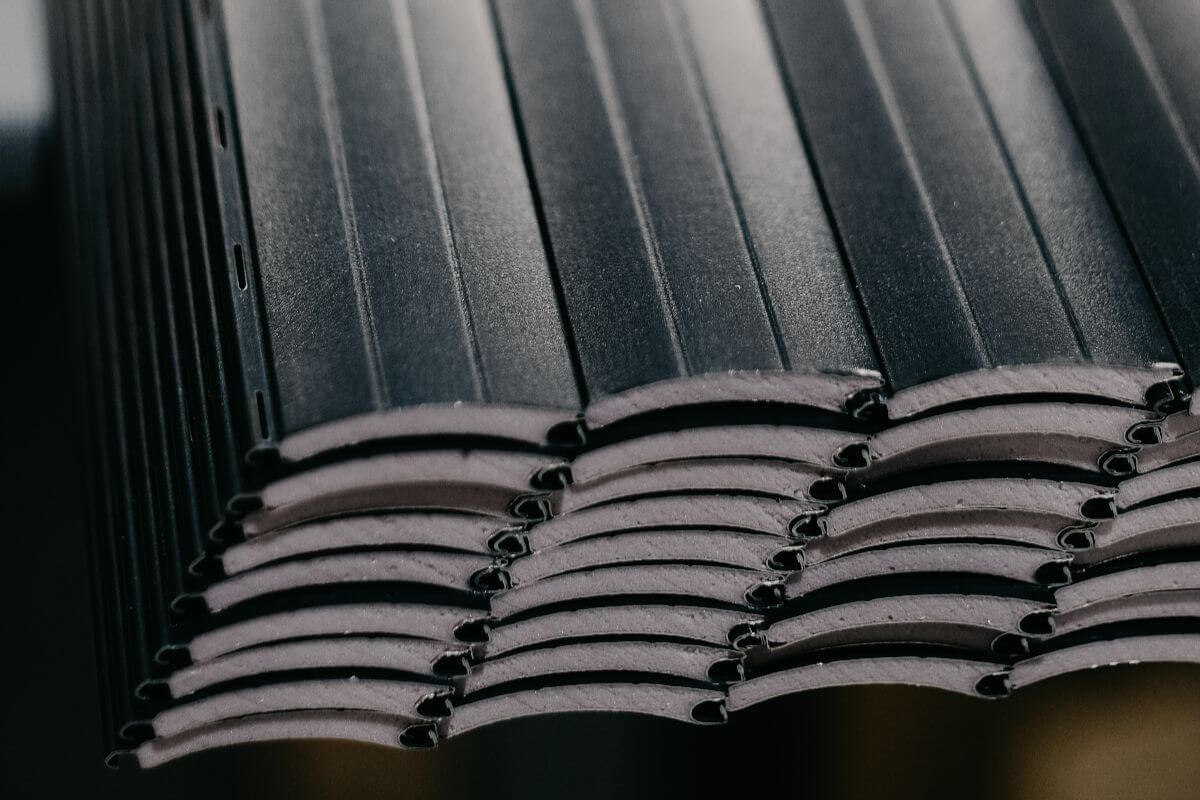
Modern architecture is redefining how industrial materials are used. GI sheets can add texture, contrast, and character in ways that feel intentional rather than purely functional.
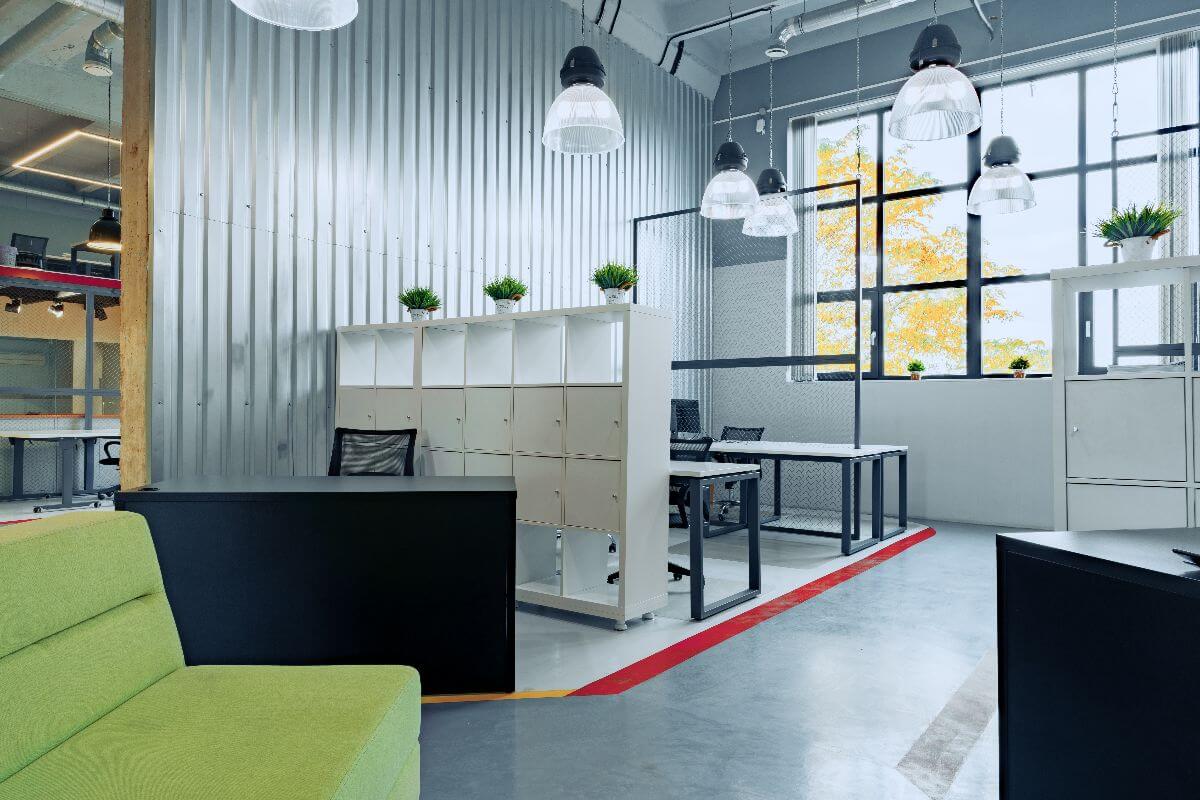
The industrial look is increasingly popular as designers move away from monotone minimalist interiors. This aesthetic celebrates raw materials and rustic charm. To achieve this, GI sheets can be used as accent walls in living rooms or kitchens, giving you immediate texture and depth.
Their distinct metallic sheen provides a bold, edgy contrast. You can lean into either a high-gloss metallic shine or a weathered, industrial aesthetic, depending on how you want the space to come across.
By layering metallic surfaces against wood, stone, or concrete, you can break up visual monotony and create textural contrast. Direct contrast often stems from the physical profile of the GI sheet itself.
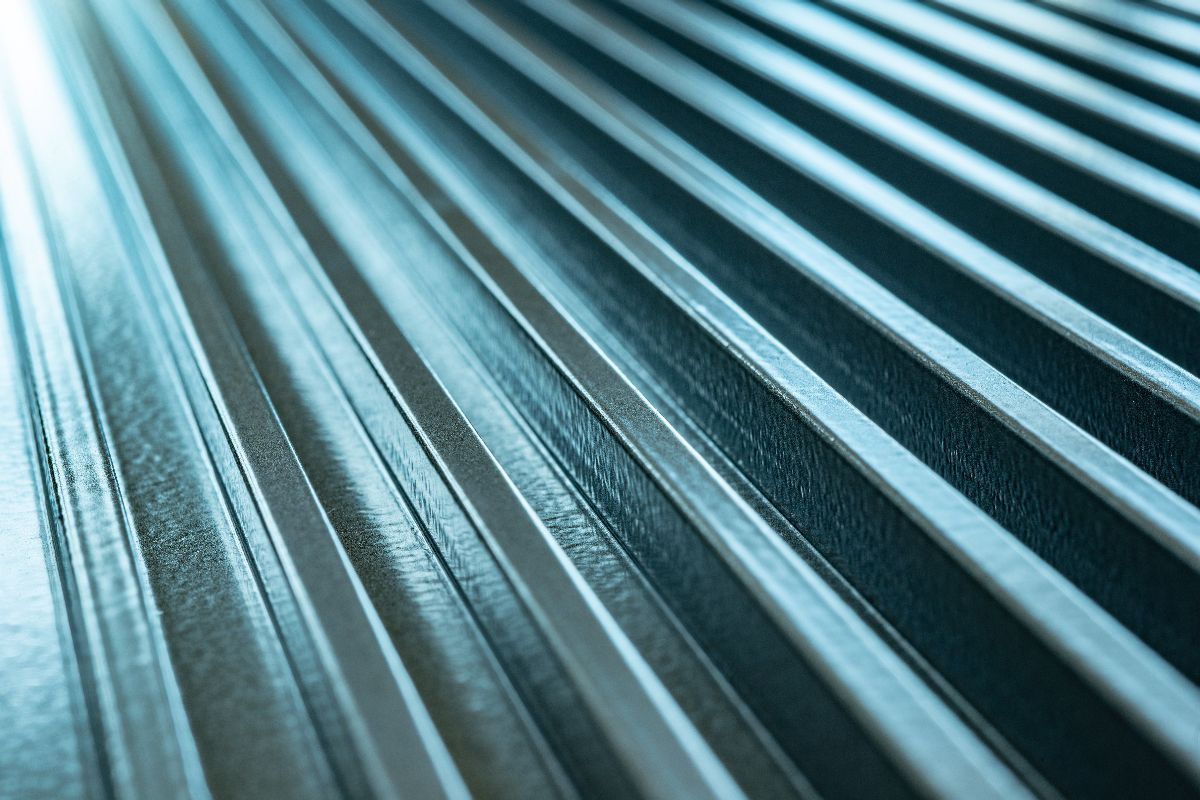
Architects frequently opt for ribbed or corrugated profiles to enhance structural lines instead of flat panels. The formability of steel also gives you more room for custom shapes, frames, or decorative accents.
Many steel manufacturers offer these galvanized sheets with a wide range of colors with specific gloss levels and coating thicknesses for aesthetic appeal. These finishes, such as PVDF or polyester, provide superior resistance against fading, UV rays, and chalking.
If you want a pop of color without giving up durability, PPGI offers long-lasting visual impact. This customization allows you to maintain a vibrant, fresh appearance without the need for frequent repainting.
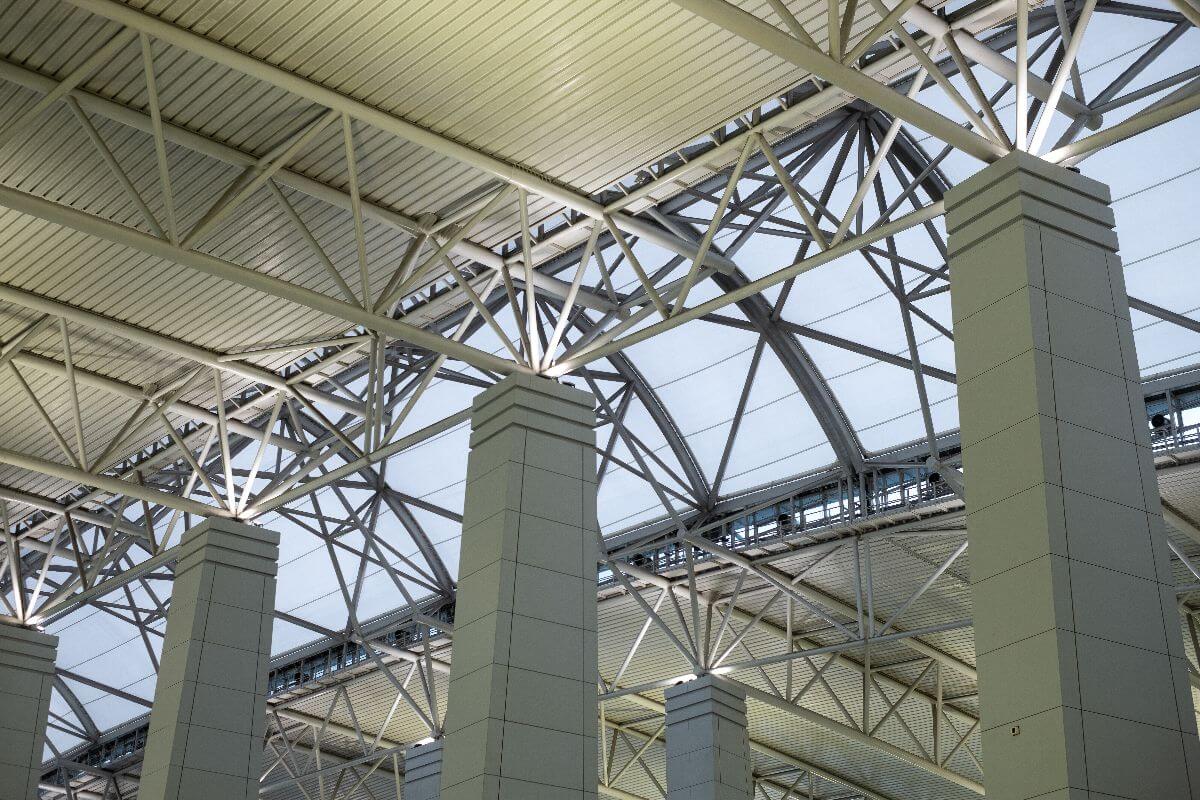
What was once a purely functional material is now part of thoughtful architectural design. GI sheets can be shaped, layered, and detailed to support both visual impact and performance. Here’s how they can work in your design:
Exterior GI cladding serves as a durable skin that protects buildings from harsh weather and environmental stress. Its zinc-coated surface resists rust, ensuring the structural integrity of a building.
Architects often utilize large-format panels when you want a seamless, contemporary look.
GI sheets serve as a primary roofing solution due to their high strength-to-weight ratio and weather durability. The interlocking or overlapping nature of these sheets ensures a watertight seal even during extreme tropical storms.
On top of that, their reflective properties reduce heat absorption, making them an ideal choice if you’re aiming for energy-efficient designs. This material provides a long-lasting, low-maintenance roofing solution.
Now, leaning more on the aesthetic appeal, GI sheets are applied as interior accents to create a modern industrial atmosphere. They serve as striking feature walls that provide unique texture to indoor spaces.
As a bonus, their reflective surface bounces natural light deeper into a room, helping you make smaller spaces feel more open and airy.
In architectural detailing, GI sheets bridge the gap between initial design concepts and final construction reality. This process involves precise documentation of how metal components connect, look, and function.
This is particularly helpful in detailing because their malleability gives you more flexibility in how they’re used, balancing both aesthetics and functionality.
GI sheets no longer sit quietly in the background of construction. The question “can GI sheets be used for architectural appeal” is pushing them beyond function, turning them into tools for expression. From industrial accents to refined cladding systems, their impact will grow as designers explore how intentionally they are specified and applied.
Design outcomes are only as strong as the materials behind them. Linton Incorporated supplies architect-ready GI sheets and PPGI options that support both performance requirements and visual intent. Contact us today to explore steel solutions built for durability, customization, and architectural impact.
Check out our range now and discover the sturdy foundation your creations deserve.
View Products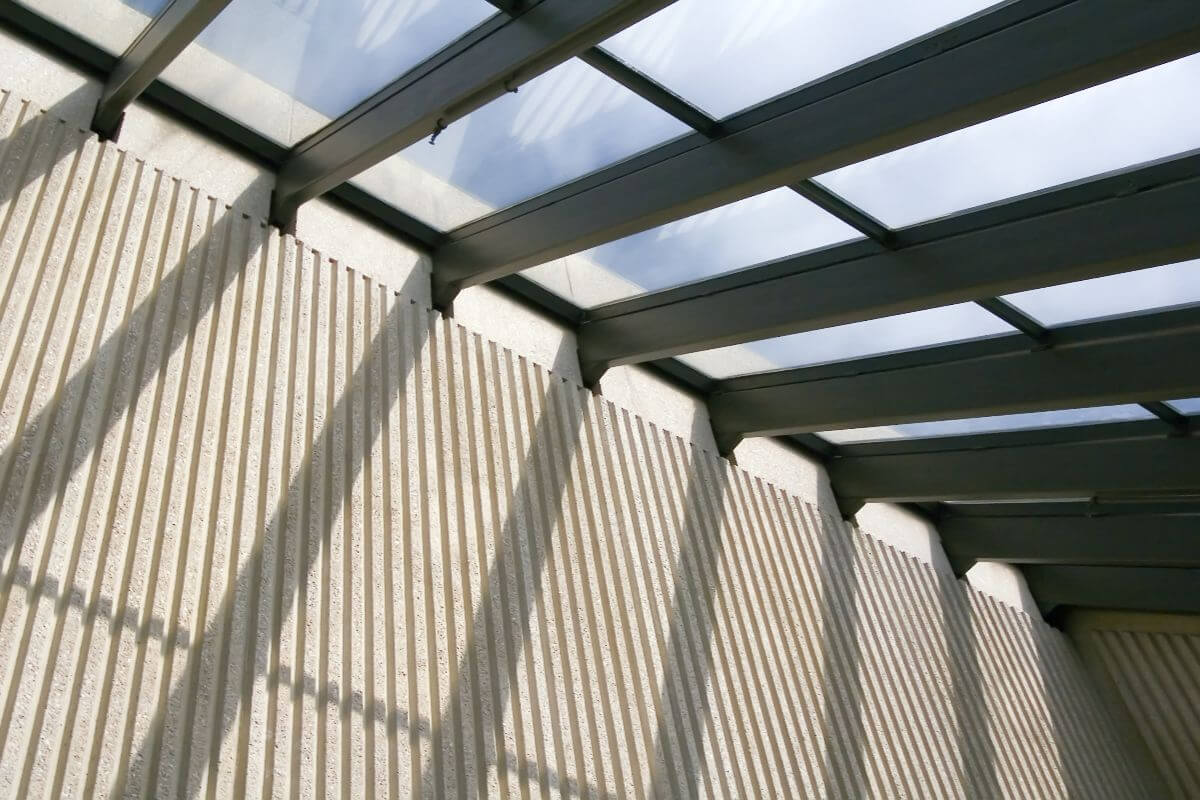
Overview GI sheets offer versatile interior design…
What are the types of property designs…
Overview Philippine property owners favor GI sheets…
Overview Estimating expenses requires more than checking…
Tailor your project's success with a personalized quote for your steel requirements. Precision in every detail, commitment to your vision.
Request a Quote