Shipping Nationwide



Shipping Nationwide
Overview
- This article provides a clear and practical guide to understanding structural steel sections in the Philippine construction, covering the most commonly used types such as wide flange beams, angle bars, channels, and hollow structural sections. .
- It also highlights the importance of local standards, including governing codes, material specifications, and proper fabrication practices, along with key considerations like earthquake resistance, fabrication methods, and structural notation.
Structural steel sections are the fundamental building blocks of modern construction, designed to provide strength, stability, and support to various types of structures. From columns and beams to channels and hollow sections, each type plays a specific role in carrying loads and ensuring structural integrity.
That’s why understanding structural steel sections in Philippine construction is essential, especially if you want to build safely and efficiently. In this article, you’ll learn what these sections are and why they matter for your projects.
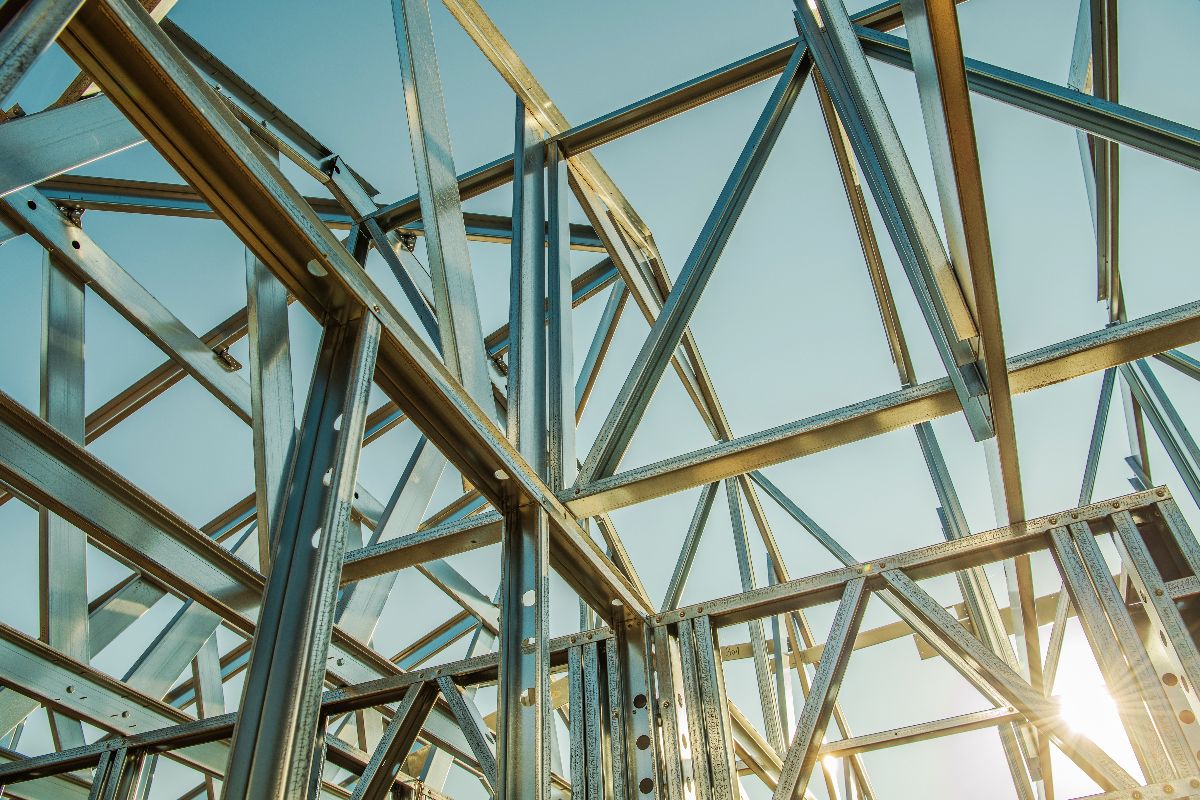
Here are some of the most commonly used structural steel sections in construction, each designed to serve specific load-bearing and support functions.
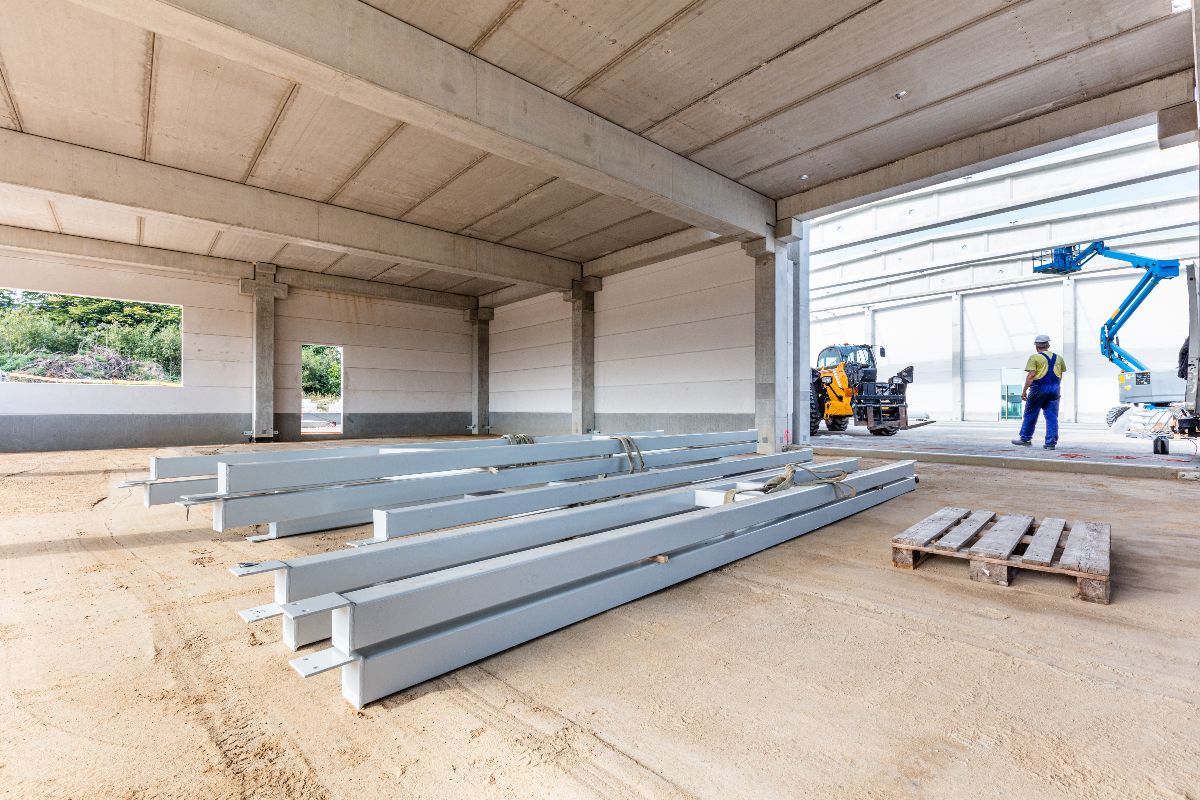
Also known as H-beams or W-beams, wide flange are one of the most important structural elements in construction. You use them primarily as columns and beams because of their ability to carry heavy loads efficiently. Their wide flanges provide excellent stability and resistance to bending, making them ideal for multi-storey buildings, bridges, and industrial structures.
These sections help distribute weight evenly across the structure, reducing stress on foundations and improving overall durability. Because of their strength and reliability, they are essential in projects that require long spans and high load-bearing capacity.
Angle bars are L-shaped steel sections commonly used for bracing, framing, and reinforcement. You’ll find these in structural supports, trusses, towers, and fabrication applications such as connection brackets and equipment frames. The L-shaped design provides strong support at corners and joints, which is crucial for maintaining structural integrity.
These sections are important because they help resist lateral forces such as wind or movement, preventing deformation or collapse. Angle bars are also versatile and easy to install, making them a practical choice for both large-scale construction and industrial fabrication projects where additional strength and support is needed.
C-channels are open-section steel profiles widely used in structural framing and support systems. You typically use them in applications such as floor joists, wall framing, roof supports, and machinery and equipment structures. Their design allows them to support loads in one direction while maintaining structural stability.
Channels are especially useful in construction projects where lightweight yet strong support is required. They also work well as secondary structural elements, helping reinforce larger frameworks. Because of their versatility and ease of installation, channels are a reliable choice in commercial and industrial construction settings.
Designed as steel tubes with hollow cross-sections, these sections come in square, rectangular, or circular shapes. You use them in construction for columns, frames, and exposed architectural elements because of their clean appearance and balanced strength. These sections provide uniform strength in all directions, making them highly efficient in handling both compression and torsion.
This type of steel is also resistant to buckling, which makes it suitable for modern buildings, bridges, and infrastructure projects. The enclosed shape helps protect against corrosion and reduces maintenance, making it a durable and visually appealing option for structural applications.
Here are key standards and specifications that guide the quality, safety, and compliance of structural steel in construction projects.
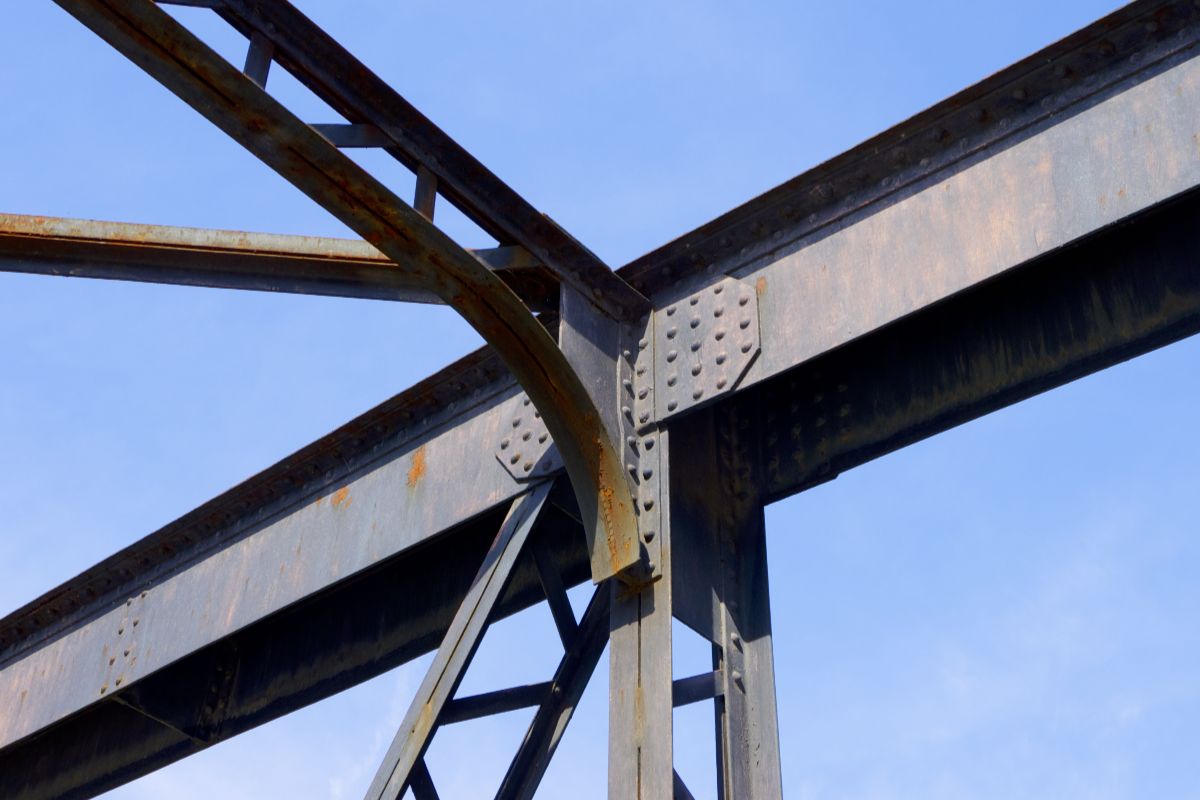
Here are important factors to consider when working with structural steel in local construction projects to ensure safety, compliance, and performance.
In the Philippines, earthquake resistance is a critical consideration due to the country’s location along the Pacific Ring of Fire. You need to ensure that your structural steel design can absorb and dissipate seismic forces without collapsing. This involves using appropriate steel grades, flexible connections, and proper bracing systems that allow movement without compromising stability.
The type of fabrication used for structural steel directly affects the quality, strength, and efficiency of your construction project. You need to consider whether components are pre-fabricated in a controlled facility or assembled on-site, as this impacts precision, cost, and installation time.
Choosing the right fabrication method ensures proper fit, minimizes errors, and speeds up construction. It also helps maintain structural integrity, especially for complex designs that require exact measurements and reliable connections.
Structural notation refers to the standardized symbols, labels, and drawings used in engineering plans to identify steel components, dimensions, and specifications. You need to understand these notations to ensure that every part of your structure is installed correctly according to the design.
Clear notation helps contractors, engineers, and fabricators communicate effectively, reducing the risk of errors or misinterpretation during construction. It also ensures that the correct steel grades, sizes, and connection details are followed.
Having a clear grasp of understanding structural steel sections in the Philippine construction is essential for ensuring that your projects are safe, efficient, and built to last.
When you align the right materials with proper design and application, you reduce risks, improve durability, and achieve better long-term results for your construction projects.
For high-quality structural steel you can rely on, Linton offers proven expertise, consistent product standards, and dependable service tailored to your needs. Contact us today to build with confidence.
Check out our range now and discover the sturdy foundation your creations deserve.
View Products
How to choose structural steel sections for…
Overview Different materials, such as structural steel,…
Overview GI sheets offer versatile interior design…
What are the types of property designs…
Tailor your project's success with a personalized quote for your steel requirements. Precision in every detail, commitment to your vision.
Request a Quote