Shipping Nationwide



Shipping Nationwide
- Sourcing imported steel presents multiple hurdles that can affect project costs and timelines. Each of these obstacles can get in the way of planning, inflate budgets, or reduce material performance if not properly managed.
- This article explains each issue and explores practical strategies to overcome them. It introduces solutions, from verifying certifications and testing material quality to maintaining proper storage and logistics oversight.
- Linton Incorporated provides high-quality, rigorously tested steel solutions designed to meet the demanding needs of modern construction projects across different regions.
Sourcing steel from overseas introduces challenges that compromise a project’s success. Every building is only as strong as the materials behind it, so when teams rely on unclear specifications, unforeseen issues can jeopardize its long-term performance.
Addressing these concerns begins with understanding the common challenges when sourcing imported steel. With early insight, procurement teams can refine their sourcing strategies and choose suppliers who meet their specific requirements.
Read this guide to learn how each obstacle affects your overall development.
Regulatory standards vary between countries. These differences can lead to mismatched specifications and failed inspections, especially if materials do not meet local building codes.
A practical way to prevent this is by reviewing the supplier’s certifications early in the sourcing process. Reputable importers provide up-to-date compliance certifications and Quality Assurance (QA) reports upfront, in full detail, when requested.
With a clear verification checklist, teams can quickly identify which suppliers meet their requirements before proceeding with an order.

Sudden shifts in exchange rates, global supply interruptions, and changes in product availability all make cost planning unpredictable. If construction firms fail to anticipate these fluctuations, it becomes significantly more difficult to manage material budgets.
Staying updated on market trends is essential to preparing for these inevitable cost volatilities. Material sourcing officers can manage price fluctuations in two ways: by diversifying their partnerships and practicing open communication with importers.
Working with partners across different regions helps reduce the impact of localized price hikes. Moreover, consistent coordination with reliable suppliers also ensures that procurement strategies remain aligned with the project’s financial requirements.
When materials come from overseas manufacturers, verifying quality becomes significantly more challenging. Some suppliers may advertise their steel as high-grade, yet once applied in local conditions, the material fails to meet expected performance benchmarks.
Poor coating adhesion, inconsistent thickness, and premature deterioration are common signs of substandard steel—issues that can compromise a structure’s lifespan. Samples and conformity tests help determine whether materials can endure long-term use, but the real safeguard lies in choosing a trusted source.
Instead of dealing with the risks and uncertainties of coordinating with international suppliers, procurement teams can rely on Linton Incorporated—a reputable steel importer in the Philippines.
We source directly from vetted global manufacturers and ensure every component undergoes standardized evaluations. This allows project teams to secure materials that meet the required durability standards without navigating the complexities of overseas procurement.
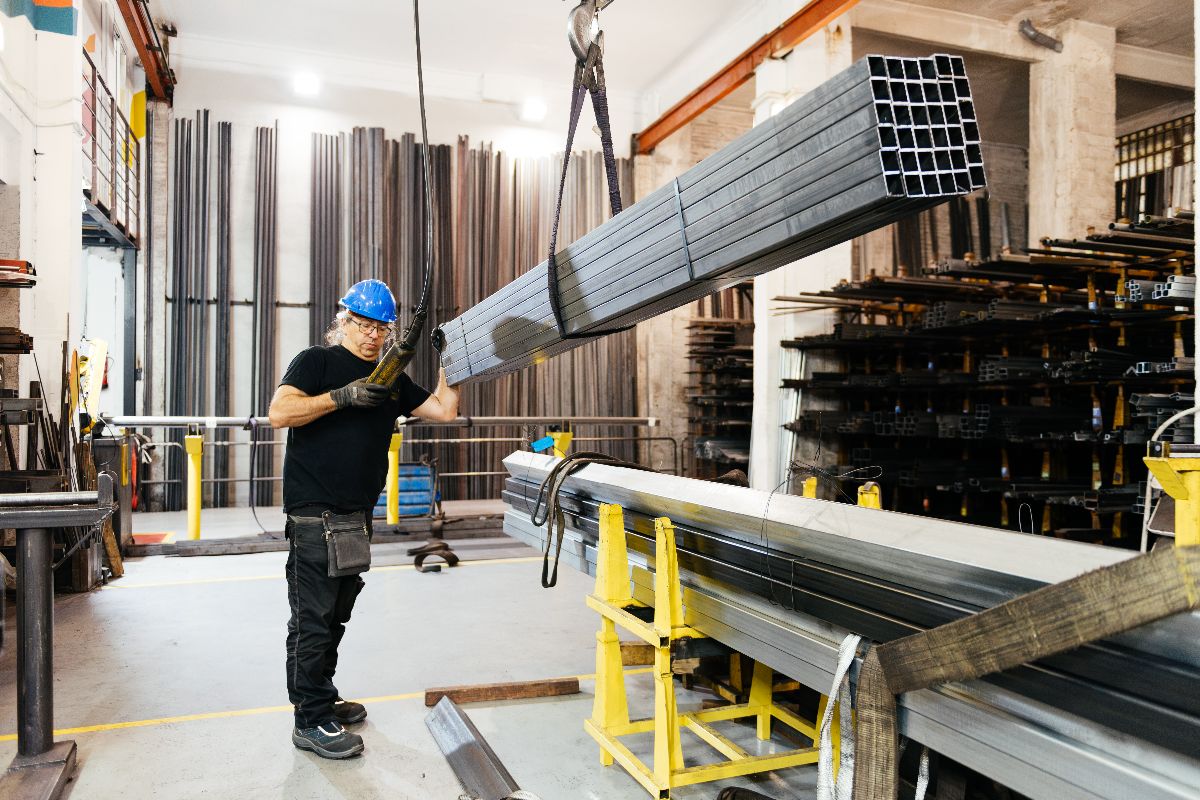
Logistical delays remain a major concern because imported steel relies on multiple transit stages. Any interruption in shipping can cause costly delays in construction schedules, leaving builders on-site dealing with downtime. This increases labor costs and results in wasted resources, since crews cannot reallocate tasks efficiently without the necessary components.
Many delays come from unclear shipping details or miscommunication between suppliers and freight carriers. With proper oversight, material delivery can stay aligned with the project plan. Construction firms should confirm transit schedules and freight capacity to stay ahead of potential shipment problems.
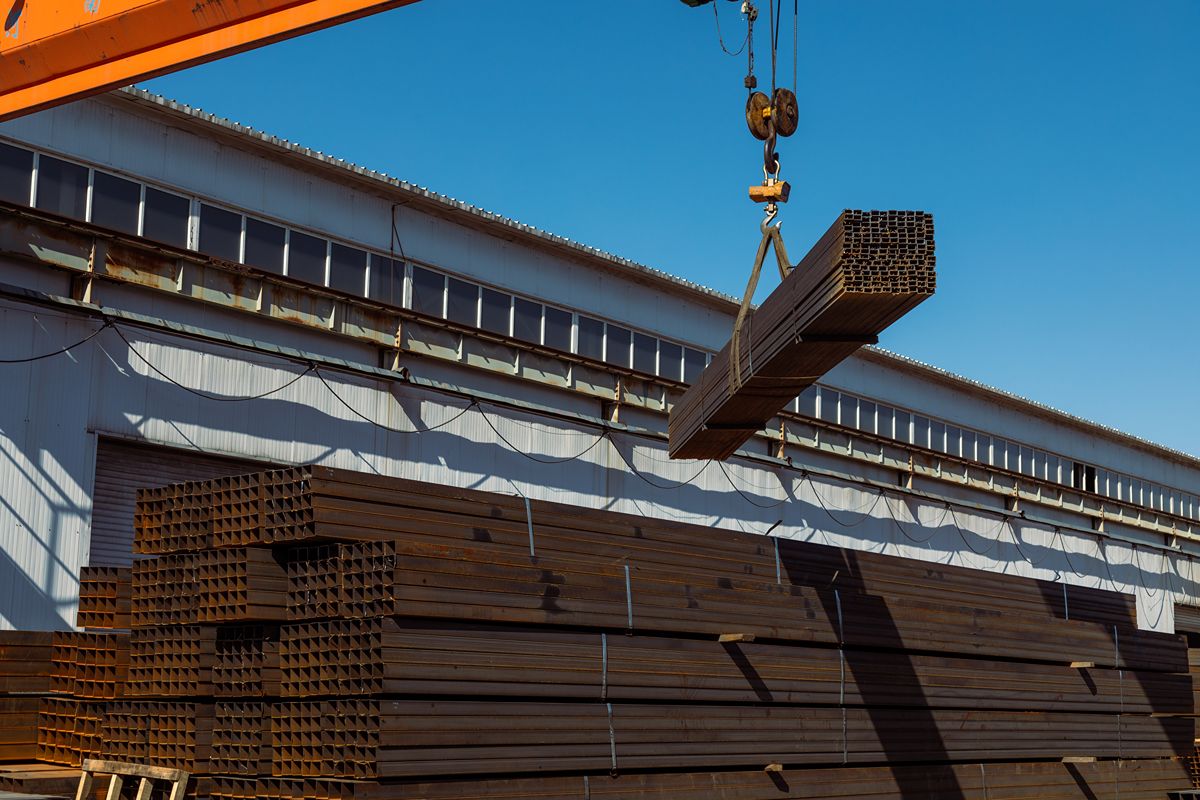
Imported steel often travels long distances, and storage conditions during transit or on-site are not always ideal. Improper stacking and mishandling can damage materials before installation even begins. These issues can create hidden defects that compromise the integrity of the final structure over the long term.
When steel is damaged during transport, it may bend, scratch, or develop surface corrosion, leading to costly replacements. Procurement officers can mitigate these risks by planning storage areas and applying proper stacking methods.
Before, during, and after transport, storage areas must remain well-ventilated to prevent moisture from seeping into the component. It’s also important to use sturdy racks or pallets to keep steel sheets off the ground. This keeps them evenly supported and protected from surface damage.
With a thorough understanding of the common challenges when sourcing imported steel, procurement teams can make more informed decisions to ensure their project’s success. Having clear strategies helps keep project timelines and budgets on track. As a result, sourcing becomes more predictable and easier to manage over the long term.
Linton Incorporated provides cost-effective, quality steel solutions designed for durability and performance reliability. Our offerings undergo rigorous testing to ensure they not only withstand long transport but also exhibit exceptional strength in finalized developments. Contact us today to learn more about our products and services.
Check out our range now and discover the sturdy foundation your creations deserve.
View Products
Learn what steel standards mean for builders…
Learn how steel purlins improve commercial roofing…
Steel pipes support infrastructure by transporting water,…
Discover why steel beams are critical to…
Tailor your project's success with a personalized quote for your steel requirements. Precision in every detail, commitment to your vision.
Request a Quote