Shipping Nationwide



Shipping Nationwide
- Installing galvanized iron sheets can seem straightforward, but even small oversights can lead to long-term wear.
- A successful application comes from careful planning before work begins. Following these practices helps projects stay on schedule while preserving quality.
- For contractors seeking durable materials and expert guidance, Linton Incorporated provides reliable GI sheets and professional recommendations to support every step.
Working with materials like galvanized iron (GI) sheets requires precision. From planning to final touches, project leaders must ensure they follow the proper steps towards their installation.
Without proper handling, what should be a time-saving material can lead to costly reworks, or worse, structural failure.
Each step in the process affects their overall performance. To avoid these setbacks, it’s important to identify the common installation mistakes to avoid when using GI sheets. Taking proactive measures allows teams to ensure their components perform as designed, especially in large-scale projects where stability is crucial.
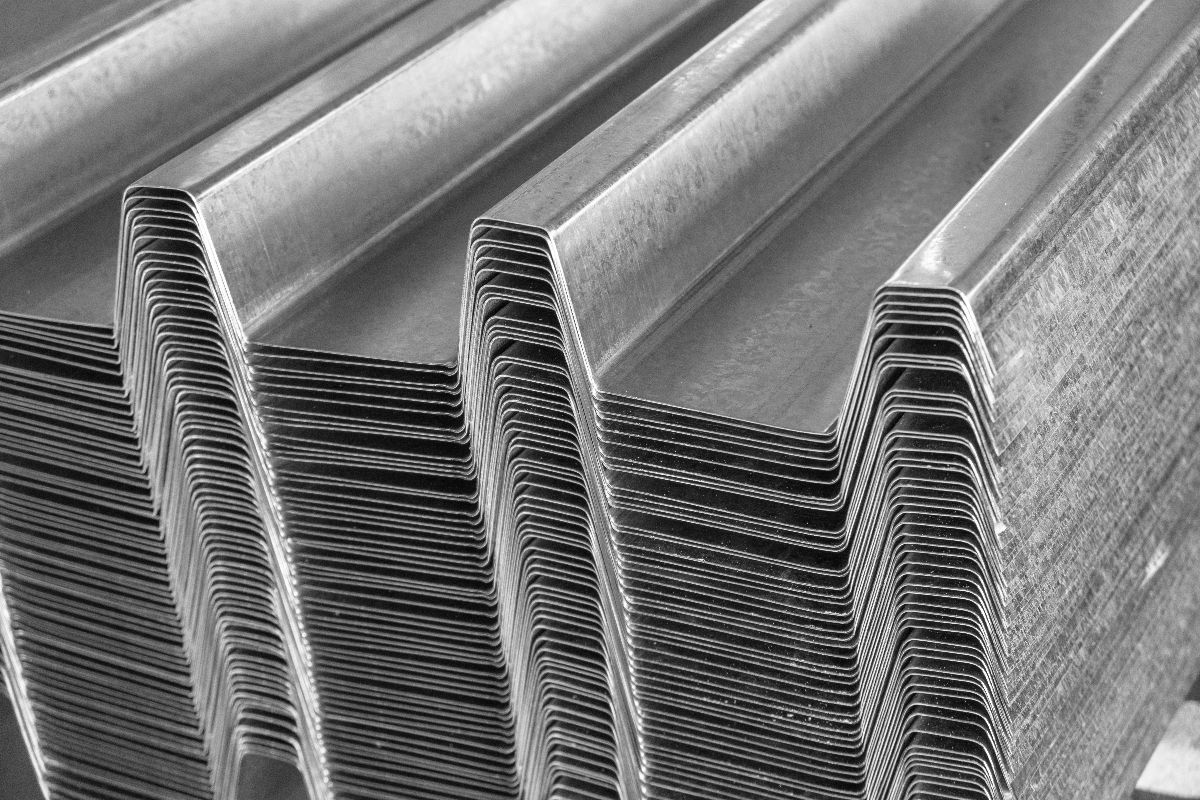
The simplest yet worst mistake construction teams can make is skipping the planning and assessment stage. Some professionals overlook the basic preparation steps.
Without thorough inspections of site conditions and material specifications, structures are put at risk of premature damage.
Re-evaluating the sheets’ quality and checking climate forecasts before installation ensures safer implementations from the start.
Misjudging dimensions often results in misaligned panels. These provide poor coverage and waste resources, which are difficult to correct once installation begins.
Just an extra inch or the lack thereof can multiply across large surface areas, creating gaps or overlaps that weaken structures.
To avoid this, teams should double-check measurements against the actual framework and layout plan. Using precise measurement tools (such as laser levels and measuring tapes) ensures the sheets’ uniform alignment throughout the project.
With careful verification, project leaders prevent costly adjustments and keep the overall project within assigned schedules and required specifications.
The weather affects how GI sheets behave during installation. Working through heavy rain can complicate the application process: Sheets may suffer from premature corrosion, and laborers risk injuring themselves as they push through the project despite unsafe working conditions.
Proper scheduling and preparation ensure that neither the material nor the installation team is put at risk.
Here at Linton Incorporated, we provide GI sheets engineered to perform well against exposure and harsh climates. Through proper handling and forecasting, these materials effectively maintain their resilience.
Taking these precautions not only strengthens your structure but also ensures consistent installation quality.
Improper fastening and misalignments during installation can lead to corrosion and poor structural integrity. These issues commonly occur when builders overlook correct spacing or sealing techniques.
Misalignments occur when installers rush the process or neglect reference lines. When panels aren’t placed in proper sequence, it significantly affects the structure’s appearance and performance. This can be hazardous, especially for buildings in earthquake-prone areas.
Even the slightest deviation can create visible inconsistencies and uneven load distribution. To prevent this, the sheets should be laid from one direction consistently, with precise alignment checks at every row.
Teams can also use temporary fasteners or spacers to maintain uniform spacing during placement.
Fastening determines how securely the sheets stay in place, but errors in this step lead to leakages and reduced durability. Using the wrong screw placement or torque can cause stress fractures, creating weak points in the assembly. Over time, these faults may develop into serious structural problems.
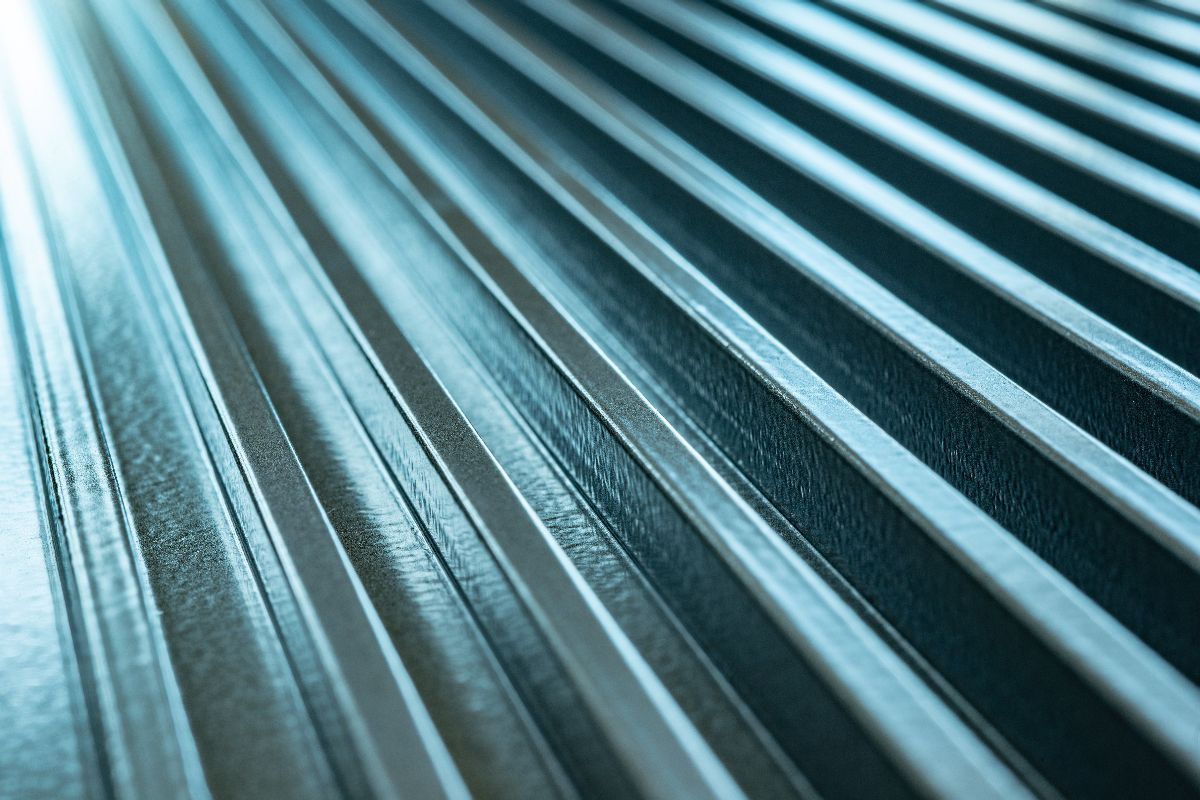
Avoiding these issues requires consistency and compliance with manufacturer guidelines. Always fasten through the corrugation’s crest and use compatible washers to keep the seals watertight and stable.
The following mistakes may occur with improper practices:
Neglecting post-installation assessments can result in long-term issues, such as rust buildup or loose panels. These problems stem from skipping routine inspections or failing to seal exposed edges properly after installation.
Conducting thorough quality checks right after the project ensures the GI sheets remain secure and weatherproof over time.
Just like skipping preparations, foregoing post-installation checks is a simple step that may lead to grave structural failures.
Dust, debris, or stray fasteners can scratch the sheets’ protective coatings and expose the raw metal to corrosion. These minor damages lead to early rusting and accelerated deterioration over time.
Failure prevention starts with detailed inspections after every installation. Check the fasteners’ tightness and ensure no sealants have been missed. If a GI sheet’s quality seems compromised, don’t hesitate to replace it.
These simple steps extend the lifespan of the large-scale build and preserve its performance for years.
GI sheets naturally expand and contract with temperature changes, but overlooking this can cause warping or stress on joints. Without proper spacing or fastening flexibility, sheets may deform or pull away from the structure.
Reliable suppliers offer expert guidance on how to manage thermal movement during installation. Follow their recommendations on spacing and expansion allowances to ensure their stability under intense heat or heavy rain.
Keeping track of these installation mistakes to avoid when using GI sheets is key to maintaining their efficiency. Every step influences not just how well they perform under exposure and structural stress, but also their reliability over the long term.
Linton Incorporated offers high-quality GI sheets designed to meet the rigorous standards for large-scale builds. With years of industry expertise, our team provides thorough guidance and recommendations to ensure your project gains optimal support throughout construction. Contact us today to learn more about our products.
Check out our range now and discover the sturdy foundation your creations deserve.
View Products
How to choose structural steel sections for…
Overview Different materials, such as structural steel,…
Overview GI sheets offer versatile interior design…
What are the types of property designs…
Tailor your project's success with a personalized quote for your steel requirements. Precision in every detail, commitment to your vision.
Request a Quote